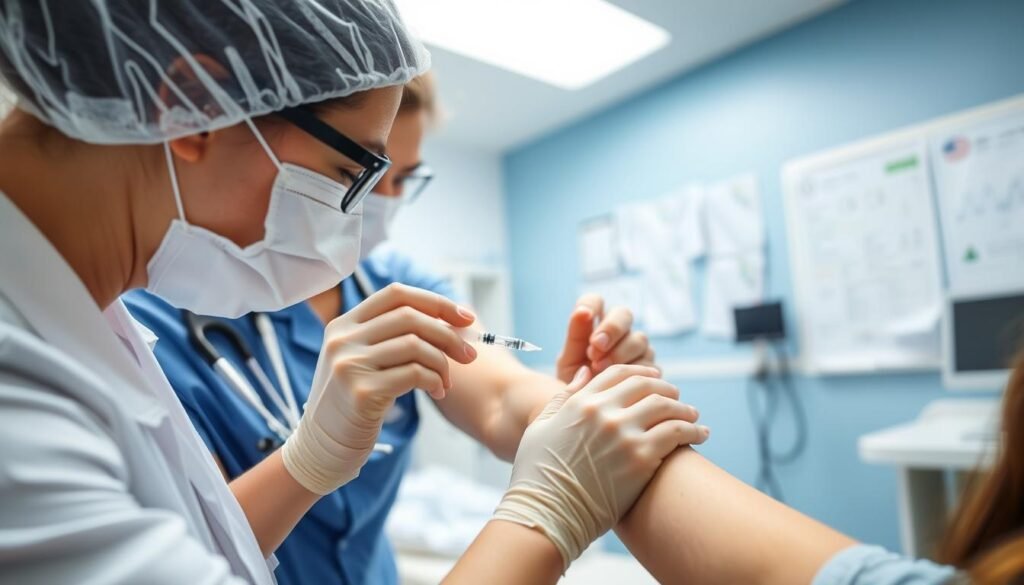
Are you wondering how to keep your new tattoo vibrant and ensure it heals properly without using second skin products? The journey of getting a tattoo doesn’t end when you leave the studio; in fact, it’s just the beginning of a crucial aftercare process.
At Fit Glow Guide, we believe in empowering you with the knowledge to care for your skin and your new tattoo effectively. Your skin‘s healing process is vital to the final appearance of your tattoo, and understanding the best practices for tattoo aftercare is key.
Our comprehensive guide will walk you through the essential steps of tattoo aftercare without relying on second skin products, focusing on traditional methods that have been effective for decades.
Key Takeaways
- Understand the importance of proper tattoo aftercare for a vibrant and healthy-looking tattoo.
- Learn alternative methods to second skin products for aftercare.
- Discover the best practices for the healing process of your new tattoo.
- Find out how to care for your skin during the healing process.
- Explore the Fit Glow Guide’s philosophy on natural healing and skin care.
Understanding Tattoo Aftercare Basics
Tattoo aftercare is a critical component of ensuring your tattoo heals correctly and maintains its vibrancy. Proper aftercare helps prevent infection, promotes healthy healing, and ensures your tattoo looks its best.
Why Proper Aftercare Matters
Proper aftercare is essential because it prevents the introduction of bacteria into the tattoo site, reducing the risk of infection. Washing your hands thoroughly before touching your tattoo is crucial. Use an antibacterial soap to clean your tattoo gently.
What to Expect During the Healing Process
During the healing process, your tattoo may ooze or scab. It’s essential to keep the area clean with lukewarm water and antibacterial soap. Gently pat the area dry with a clean paper towel.
Preparing Your Aftercare Supplies
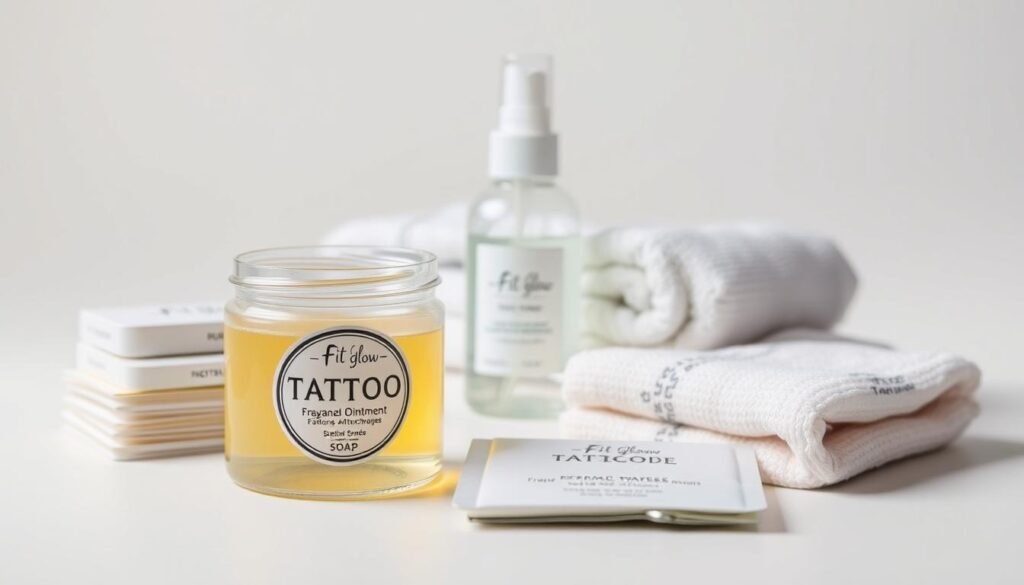
Before your tattoo appointment, gather necessary supplies. These include fragrance-free soap, a recommended aftercare ointment, and clean paper towels. Having these supplies ready ensures you’re prepared for the healing process.
| Supply | Purpose |
|---|---|
| Antibacterial Soap | Cleaning the tattoo area |
| Aftercare Ointment | Moisturizing and protecting the tattoo |
| Clean Paper Towels | Drying the tattoo area |
How to Take Care of a Tattoo Without Second Skin: Day-by-Day Guide
A day-by-day guide can help you navigate the healing process of your tattoo without Second Skin, ensuring it remains healthy and vibrant.
First 24 Hours: Initial Bandage Removal and Cleaning
After getting a tattoo, the first 24 hours are crucial. Remove the initial bandage and gently wash the tattoo with soap and lukewarm water. Pat it dry and apply a thin layer of ointment to keep the skin moisturized.
Days 2-3: Establishing Your Cleaning Routine
Continue to clean your tattoo 2-3 times a day with soap and water. Gently pat it dry and apply a thin layer of ointment. This routine helps in the healing process and prevents infection.
Days 4-14: Maintaining Moisture and Managing Peeling
Around the 4th day, switch to a fragrance-free lotion. Apply it 2-3 times daily to maintain moisture. Your tattoo will start to peel – a normal part of the healing process. Avoid scratching; let it flake off naturally. Protect your fresh tattoo from the sun to prevent fading.
| Day | Care Routine | Expected Changes |
|---|---|---|
| 1 | Remove bandage, clean, and apply ointment | Initial healing starts |
| 2-3 | Continue cleaning and applying ointment | Tattoo starts to scab |
| 4-14 | Switch to lotion, maintain moisture | Peeling occurs, tattoo heals |
By following this day-by-day guide, you can ensure your tattoo heals properly over the next weeks, resulting in a vibrant and healthy appearance.
Common Aftercare Mistakes to Avoid
To keep your tattoo vibrant and ensure a smooth healing process, it’s essential to avoid certain aftercare mistakes. Proper care during the initial healing period can significantly impact the overall health and appearance of your tattoo.
Harmful Products and Practices
Avoid using harsh products or practices that can irritate the skin or cause infection. Certain lotions, creams, or soaps can be too abrasive for fresh tattoos, leading to irritation or allergic reactions. Always consult your tattoo artist for recommended aftercare products.
Environmental Factors That Damage Fresh Tattoos
Exposure to direct sunlight, soaking in water (such as taking a bath or swimming), or extreme temperatures can negatively affect the healing process. Protect your tattoo from these environmental stressors to prevent damage.
Signs of Infection or Improper Healing
Monitor your tattoo for signs of infection, such as excessive redness, swelling, unusual discharge, or a foul odor. If you experience any of these symptoms, contact your tattoo artist with questions
If you have any concerns about your tattoo’s healing process or notice any adverse reactions over time, don’t hesitate to reach out to your tattoo artist or a healthcare professional for guidance.
Conclusion: Ensuring Long-Term Tattoo Vibrancy
As your tattoo heals, remember that proper care goes beyond the initial healing phase – it’s a long-term investment in your body art. Successfully healing your tattoo without second skin products is entirely possible with diligent tattoo aftercare and attention to the healing process.
Once your tattoo is fully healed, typically after 4-6 weeks, incorporate long-term care habits. Apply high-quality sunscreen with at least SPF-30 that provides both UVA and UVB protection whenever the tattoo is exposed to UV light. Regular moisturizing helps maintain skin elasticity and tattoo vibrancy over time.
Consult with your tattoo artist about touch-ups if you notice any areas that didn’t heal as expected. They can provide personalized advice based on the techniques and inks used in your piece. By following these guidelines and trusting your body’s natural healing process, you can enjoy a vibrant tattoo for years to come – Your Body. Your Glow. Your Guide.