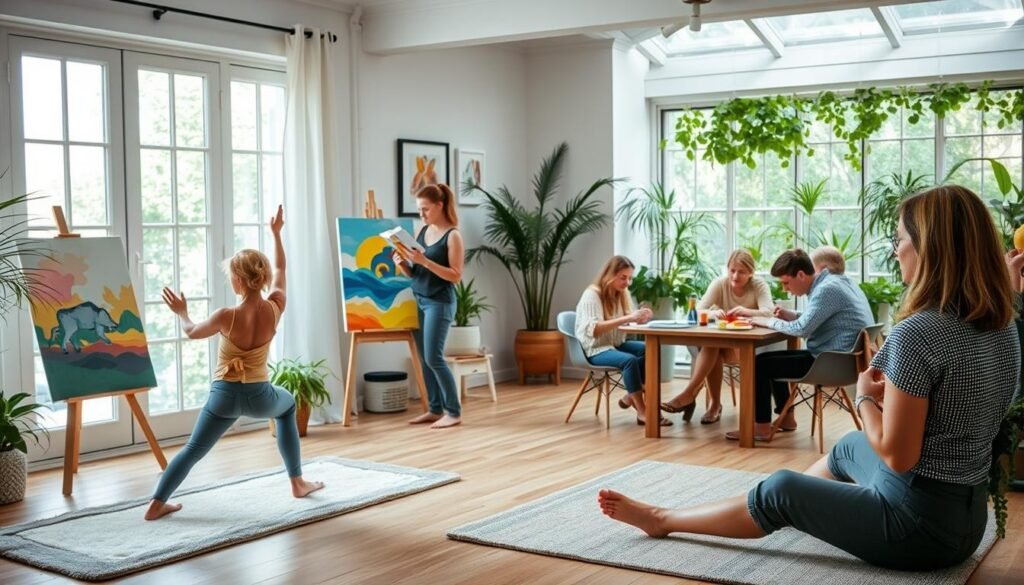
Did you know that chronic stress affects over 75% of women in the United States, impacting their mental and physical health? In today’s fast-paced world, finding effective ways to manage stress is crucial. Engaging in a hobby can be a transformative experience, offering a much-needed escape from daily pressures.
By incorporating a hobby into your lifestyle, you can significantly reduce stress levels and improve your overall well-being. The Fit Glow Guide approach emphasizes nourishing both body and mind for holistic health. This comprehensive guide will explore various stress-relieving hobbies that can help you relax and rejuvenate.
Key Takeaways
- Effective stress management is crucial for maintaining physical and mental health.
- Engaging in hobbies can significantly reduce stress levels and improve overall well-being.
- A variety of hobbies can be tailored to individual interests and stress relief needs.
- Incorporating hobbies into your lifestyle can enhance your quality of life.
- The right hobby can transform your relationship with stress.
The Science of Stress and Why Hobbies Matter
The relationship between stress and hobbies is rooted in the science of how our brains respond to stress. Engaging in hobbies can be a powerful tool for stress relief, and understanding the underlying mechanisms can help women make informed choices about their stress management strategies.
Research has shown that women’s bodies process stress differently than men’s, involving both fight-or-flight and tend-and-befriend mechanisms. This unique response is crucial in understanding why certain hobbies can be more effective for women in managing stress.
How Stress Affects Women Differently
Women typically experience higher rates of stress-related disorders, including anxiety, depression, and certain autoimmune conditions. The female brain responds uniquely to stress hormones like cortisol, affecting cognitive function, immune response, and overall mental health. As Dr. Shelley Taylor, a renowned psychologist, notes, “The tend-and-befriend response is a more affiliative response to stress, which is more common in women” (emphasis added).
- Women’s stress responses often involve a combination of fight-or-flight and tend-and-befriend mechanisms.
- The female brain’s response to cortisol can impact cognitive function and immune response.
- Higher rates of stress-related disorders are observed in women, including anxiety and depression.
The Psychological Benefits of Engaging in Hobbies
Engaging in hobbies activates the parasympathetic nervous system, triggering the body’s natural relaxation response and counteracting stress hormones. Regular participation in enjoyable activities has been shown to lower blood pressure, reduce muscle tension, and improve sleep quality—critical factors in stress management.
As
“The right hobby can be a lifesaver for women under stress, providing a much-needed break and a chance to recharge.”
This is particularly true for activities that require focus and concentration, such as crafting or playing an instrument, which create a state of flow that temporarily suspends worry and rumination.
- Hobbies help create psychological distance from stressors, allowing the brain to process emotions and develop new perspectives.
- The sense of accomplishment from developing skills in a hobby boosts self-efficacy and confidence.
- Activities like maintaining an aquarium can be particularly beneficial, providing a calming and fulfilling experience.
Understanding the science behind how hobbies counteract stress helps women make more intentional choices about which activities might best address their specific stress patterns. By choosing the right hobby, women can take a proactive approach to managing stress and improving their overall mental health.
Creative Stress-Relieving Hobbies for Women
Creative hobbies offer a unique outlet for women to express themselves and manage stress effectively. These activities not only provide a mental break from the pressures of daily life but also foster a sense of accomplishment and personal growth.
Painting and Drawing as Emotional Outlets
Painting and drawing serve as powerful emotional outlets, allowing women to express feelings that might be difficult to verbalize. The tactile experience of working with art materials like paint and brushes can be therapeutic, grounding the mind during stressful periods. Creative activities don’t require artistic talent to be beneficial; the process itself delivers stress relief.

Crafting and DIY Projects
Crafting and DIY projects provide a sense of control and accomplishment, counterbalancing feelings of helplessness that often accompany stress. Activities like knitting, crochet, and needlework involve repetitive motions that can induce a meditative state. Moreover, these hobbies can be adapted to different time constraints, making them accessible even for busy women.
Photography: Capturing Moments of Beauty
Photography encourages mindfulness by training attention on finding beauty in ordinary moments and environments. As women explore this engaging activity, they focus on the world around them, which can help calm their minds and alleviate stress. Capturing moments of beauty through photography can be a therapeutic way to unwind and express creativity.
| Creative Hobby | Benefits | Stress Relief Mechanism |
|---|---|---|
| Painting/Drawing | Emotional expression, tactile experience | Grounding, stress relief through creativity |
| Crafting/DIY | Sense of control, repetitive motions | Meditative state, accomplishment |
| Photography | Mindfulness, capturing beauty | Calming the mind, focusing on the present |
Mindfulness-Based Hobbies for Inner Peace
Mindfulness practices have emerged as a vital component in the quest for stress relief and emotional well-being. By engaging in mindfulness-based hobbies, women can develop a greater awareness of the present moment, reducing anxiety about the future and rumination about the past.
Journaling: Writing Your Way to Clarity
Journaling is a powerful tool for stress relief, allowing women to express their thoughts and feelings freely. By putting pen to paper, individuals can process their emotions and reflect on their daily experiences, fostering a sense of clarity and calm. Different journaling approaches, such as gratitude journals or stream-of-consciousness writing, offer varied benefits for stress management. Research has shown that writing about stressful experiences for just 15-20 minutes several times a week can significantly reduce stress levels.
Journaling serves as both an emotional outlet and a problem-solving tool, helping to organize thoughts and identify patterns in stress responses. This mindfulness practice encourages women to focus on their inner thoughts, promoting a sense of presence and calm.
Meditation and Breathing Exercises
Meditation practices, even in short 5-10 minute sessions, have been shown to physically alter brain structure in areas related to stress processing. Breathing exercises activate the parasympathetic nervous system, creating an immediate physiological relaxation response accessible anywhere. Regular meditation practice can lead to improved emotional regulation and reduced stress levels.
Mindful Coloring and Art Therapy
Mindful coloring engages the brain in a focused yet relaxed state, similar to meditation but more accessible for those who find traditional meditation challenging. Art therapy combines creative expression with psychological principles to help process complex emotions and experiences. This mindfulness-based hobby provides an outlet for self-expression and can be a valuable tool for stress relief.
| Mindfulness Practice | Benefits | Duration |
|---|---|---|
| Journaling | Reduces stress, improves problem-solving | 15-20 minutes |
| Meditation | Alters brain structure, reduces stress | 5-10 minutes |
| Mindful Coloring | Promotes relaxation, reduces anxiety | Variable |
By incorporating these mindfulness-based hobbies into their daily routine, women can develop greater resilience to stress and improve their overall well-being. Consistent practice of these hobbies has been linked to improved immune function, better sleep quality, and enhanced emotional regulation.
Nature-Inspired Hobbies to Reduce Stress
By embracing hobbies that connect us to nature, we can significantly reduce stress and improve our mental health. Engaging in outdoor activities not only provides a healthy distraction from daily worries but also offers a multitude of physical and psychological benefits.
Gardening: Growing Your Way to Calmness
Gardening is one of the most rewarding and calming hobbies to try. The act of nurturing plants helps relieve stress and promote relaxation, allowing you to connect with nature in a meaningful way. By creating a garden, you engage in a form of exercise that improves physical health and serves as a therapeutic outlet for your thoughts and feelings.
- Gardening combines physical activity, sensory engagement, and nurturing behavior, making it a comprehensive stress-relief activity.
- The microbes in soil can activate brain cells that produce serotonin, acting as a natural antidepressant.
| Nature-Based Activity | Stress Relief Benefits |
|---|---|
| Gardening | Combines physical activity, sensory engagement, and nurturing behavior; promotes serotonin production |
| Hiking/Nature Walks | Exposes individuals to fresh air and negative ions, boosting mood and energy |
Hiking and Nature Walks
Hiking and nature walks are excellent ways to reduce stress while enjoying the beauty of nature. These activities expose women to fresh air and negative ions, which can boost mood and energy while reducing tension. Studies show that just 20 minutes in a natural setting can significantly lower cortisol levels.
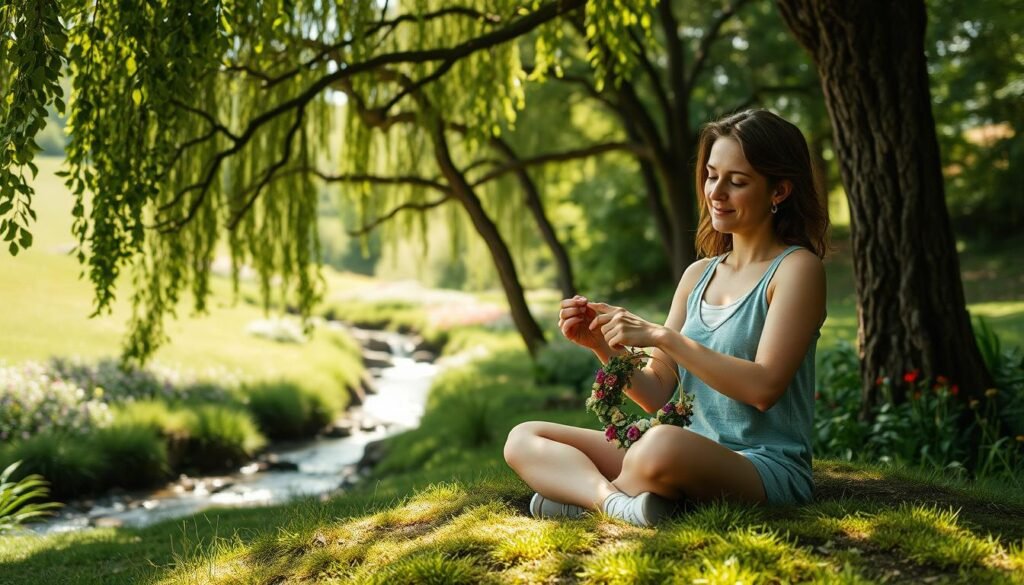
By incorporating these hobbies into your routine, you can find a healthy way to manage stress and improve your overall well-being.
Physical Activities That Double as Stress-Relieving Hobbies
Many physical activities offer a dual benefit: they provide exercise and stress relief. Engaging in these activities can help women manage stress while improving their overall physical health. By combining physical exercise with the enjoyment of a hobby, women can create a powerful tool for stress relief.
Yoga and Pilates for Mind-Body Connection
Yoga and Pilates are excellent examples of physical activities that double as stress-relieving hobbies. These practices emphasize the mind-body connection, teaching women to recognize and release physical tension patterns related to stress. By incorporating breathing techniques, yoga and Pilates activate the parasympathetic nervous system, triggering the body’s relaxation response. Regular practice can lead to reduced stress levels and improved overall well-being.
Dancing: Expressing Emotions Through Movement
Dancing is a fun and relaxing way to relieve stress and elevate your mood. Whether you choose to dance alone or join a class, this engaging hobby allows you to express yourself through movement. As you sway to the rhythm, you can release built-up tension and foster a sense of joy. Dancing not only provides a great workout but also serves as a social activity that can enhance connections with others.
Swimming and Water-Based Activities
Swimming and other water-based activities provide gentle resistance that relaxes muscles while the sensory experience of being in water can be deeply calming. The rhythmic nature of swimming laps creates a meditative state that quiets mental chatter, offering a unique form of stress relief. Whether done solo or in a group, swimming is an accessible and enjoyable way to reduce stress and improve physical health.
Culinary Hobbies for Relaxation and Joy
Culinary hobbies, such as baking and tea blending, offer a delicious path to relaxation and stress relief. Engaging in these activities can be a therapeutic way to relieve stress and find joy in the culinary process.
Baking as Therapy
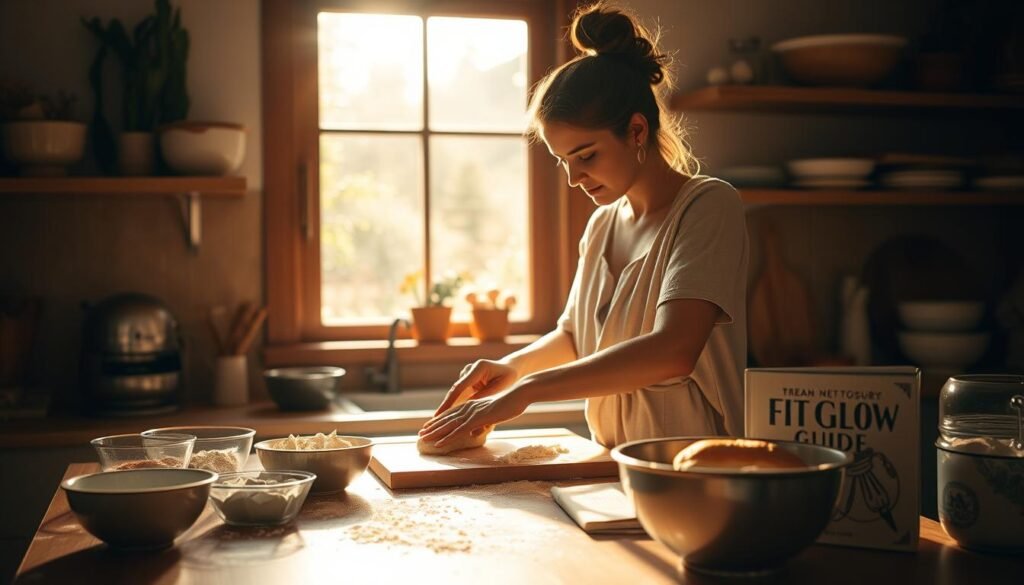
Baking involves precise measurements and focused attention, creating a state of flow that temporarily suspends worry while producing tangible, enjoyable results. The repetitive motions of kneading dough or stirring batters can be meditative, activating the parasympathetic nervous system and providing stress relief. Moreover, the sensory pleasure of aromas during baking triggers positive emotional responses and can evoke comforting memories that counteract stress.
Tea Blending and Appreciation
Tea blending and appreciation introduces women to the ancient practice of using herbs and botanicals for their calming properties, combining sensory enjoyment with potential physiological benefits. Learning about different tea traditions connects women to cultural practices centered around mindfulness and taking time for oneself—a radical act in busy modern life. Sharing tea gatherings creates opportunities for social connection, adding community-building benefits to the stress-relieving aspects of this hobby.
- Culinary hobbies engage all five senses, creating an immersive experience that naturally pulls attention away from stressors and into the present moment.
- The structured nature of following recipes provides a sense of order and control that can be comforting during chaotic or stressful periods in life.
- These activities can be scaled to fit available time—from quick 30-minute baking projects to more elaborate weekend culinary adventures—making them practical additions to stress management routines.
| Culinary Hobby | Benefits |
|---|---|
| Baking | Provides a state of flow, activates parasympathetic nervous system, and offers sensory pleasure. |
| Tea Blending | Introduces calming herbs and botanicals, promotes mindfulness, and fosters social connection. |
Music-Related Stress-Relieving Hobbies for Women
Women can find solace and tranquility in various music-related activities that help mitigate stress. Engaging with music, either by creating it or deeply appreciating it, offers a unique combination of emotional expression and stress relief.
Learning to Play an Instrument
Learning to play a musical instrument is a rewarding hobby that not only provides a creative outlet but also serves as a significant stress relief activity. It engages multiple brain regions, fostering neural connections that help process emotions and reduce stress responses. The structured practice involved in learning an instrument creates comforting routines, especially during uncertain times.
Instruments that require breathing, such as the flute or harmonica, help regulate breath patterns, activating the parasympathetic nervous system. This natural regulation can lead to a calmer state, reducing overall stress levels.
Creating Playlists and Music Appreciation
Creating personalized playlists is another effective way to manage stress. By curating music for different moods or situations, women can gain agency over their emotional states. This activity encourages deep listening, a form of mindfulness that promotes emotional release and relaxation.
“Music is the divine way to tell beautiful, poetic things to the heart.” While this quote highlights the emotional impact of music, research also supports its physiological benefits, including lowered cortisol levels, reduced blood pressure, and decreased heart rate—key markers of stress relief.
Social Hobbies That Help Combat Stress
Social hobbies offer a unique combination of stress relief and social connection that can be particularly beneficial for women. Engaging in activities with others can help reduce feelings of isolation and increase emotional support.
Connecting Through Literature
Book clubs and reading groups combine the joy of reading with social interaction, creating a dual pathway for stress relief. Discussing literature provides an opportunity for emotional processing at a comfortable distance, allowing women to explore challenging feelings through characters and plots. Regular meetings create a sense of routine and something to look forward to, which are important elements in managing stress.
Through book clubs, women can develop new friendships and a sense of community, further enhancing the stress-relieving benefits of these social hobbies.
Finding Purpose Through Volunteer Work
Volunteer work and community engagement activate reward centers in the brain, releasing dopamine and creating a “helper’s high” that can displace stress and anxiety. By engaging in volunteer activities, women can gain perspective on their personal problems, making individual stressors seem more manageable. These activities also build support networks that can be activated during particularly stressful life transitions or challenges.
Moreover, community engagement fosters a sense of purpose and fulfillment, contributing to overall well-being and stress relief.
How to Incorporate Stress-Relieving Hobbies Into Your Busy Schedule
Making room for hobbies that reduce stress is vital for a balanced life. Busy schedules shouldn’t stop you from enjoying activities that bring you joy and calmness. By incorporating stress-relieving hobbies, you can improve your overall well-being and productivity.
Creating a Hobby Routine
To make time for stress-relieving hobbies, start by identifying realistic time slots in your daily or weekly schedule. Even short periods, such as 20 minutes, can be beneficial. Consider “hobby stacking” by combining enjoyable activities with necessary tasks, like listening to audiobooks during commutes or practicing mindfulness while cooking.
Digital tools like calendar blocking and hobby trackers can help protect your allocated hobby time. Having a prepared “hobby station” with readily accessible materials can also reduce friction and make it easier to engage in your hobby, even during short breaks.
| Hobby | Time Required | Benefits |
|---|---|---|
| Journaling | 10-15 minutes | Reduces stress, improves clarity |
| Meditation | 5-10 minutes | Enhances mindfulness, reduces anxiety |
| Painting | 30-60 minutes | Fosters creativity, provides emotional outlet |
Balancing Family, Work, and Personal Time
Balancing family, work, and personal time requires setting boundaries and communicating your needs to your family members. It’s essential to model healthy self-care for your children and partners by prioritizing your hobby time. Adjusting your expectations and embracing “micro-hobbies” can make consistent practice more sustainable.
By incorporating stress-relieving hobbies into your busy schedule, you can reduce stress and improve your overall quality of life. Remember, it’s about making time for activities that bring you joy and help you relax.
Conclusion: Finding Your Perfect Stress-Relief Hobby
As we’ve explored various stress-relieving hobbies, it’s clear that the most effective one is a matter of personal choice. The perfect stress-relief hobby is highly individual, depending on personality, interests, and lifestyle constraints. Experimenting with different activities can help women discover which hobbies provide the most effective stress relief for their unique situation.
Creating a diverse “hobby portfolio” and tracking stress levels can reveal valuable patterns. It’s essential to focus on activities that generate intrinsic motivation and bring joy. By making stress-relieving hobbies a non-negotiable part of self-care, women can improve their overall health and life satisfaction. Regular hobby engagement can lead to significant benefits, making it a necessary investment in one’s mental health.