Achieving a tighter, more contoured figure is a common goal for many individuals. As Dr. Jeffrey Spiegel, a renowned plastic surgeon, once said, “The best way to get what you’re looking for is to be clear about what that is.” For those considering a tummy tuck, or abdominoplasty, understanding the intricate relationship between this surgery and weight loss is crucial.
The Fit Glow Guide philosophy, “Your Body. Your Glow. Your Guide.,” emphasizes the importance of informed decision-making in achieving optimal results. A tummy tuck can be a transformative procedure, but its success is closely tied to maintaining a stable weight and adopting a healthy lifestyle.
By understanding how tummy tuck surgery affects the body and how weight fluctuations can impact results, individuals can make informed choices about their body transformation journey.
Key Takeaways
- Understanding the relationship between tummy tuck surgery and weight loss is crucial for optimal results.
- Maintaining a stable weight is essential for preserving the outcomes of a tummy tuck.
- A tummy tuck is not a weight loss procedure but a body contouring surgery.
- Adopting a healthy lifestyle is vital for long-term success.
- Informed decision-making is key to achieving your desired body transformation.
Understanding Tummy Tuck Surgery
A tummy tuck, or abdominoplasty, is a surgical procedure that helps individuals achieve a more contoured figure by addressing excess skin and weakened abdominal muscles. This surgery is particularly beneficial for people who have experienced significant weight loss or pregnancy, resulting in loose abdominal skin and muscle laxity.
What Is an Abdominoplasty?
Abdominoplasty, commonly known as a tummy tuck, involves the removal of excess skin and fat from the abdomen, along with the tightening of abdominal muscles. This procedure is designed for individuals who are at or near their ideal weight and have maintained a stable weight for a considerable period.
Different Types of Tummy Tuck Procedures
There are various types of tummy tuck procedures, including full, mini, and extended abdominoplasty. The choice of procedure depends on the individual’s needs and the extent of the area to be treated.
Who Is an Ideal Candidate?
Ideal candidates for surgery are typically individuals who have achieved a stable weight and are seeking to improve the appearance of their abdomen. They should be in good overall health and have realistic expectations about the outcomes.
| Candidate Characteristics | Description |
|---|---|
| Stable Weight | Maintained weight for at least 6-12 months |
| Abdominal Concerns | Excess skin and fat, weakened abdominal muscles |
| Health Status | Good overall health, non-smokers or willing to quit |
The Relationship Between Weight Loss and Tummy Tucks
Tummy tuck procedures have been observed to have an unexpected relationship with subsequent weight loss in patients. This connection has sparked interest among researchers and individuals considering abdominoplasty. To understand this relationship, it’s essential to explore whether a tummy tuck is a weight loss procedure, the importance of reaching goal weight before surgery, and the surprising connection between tummy tucks and future weight loss.
Is a Tummy Tuck a Weight Loss Procedure?
A tummy tuck, or abdominoplasty, is primarily a body contouring surgery rather than a weight loss procedure. While it does involve the removal of excess fat and skin from the abdomen, its primary purpose is to restore a smoother, firmer abdominal profile. It’s crucial for individuals to have realistic expectations and understand that significant weight loss is not the primary goal of this surgery.
Why Reaching Your Goal Weight Before Surgery Matters
Reaching a stable goal weight before undergoing a tummy tuck is highly recommended. Significant weight fluctuations after surgery can compromise the results, potentially leading to additional sagging or stretching of the skin. A stable weight ensures that the outcomes of the surgery are more predictable and longer-lasting.
The Surprising Connection Between Tummy Tucks and Future Weight Loss
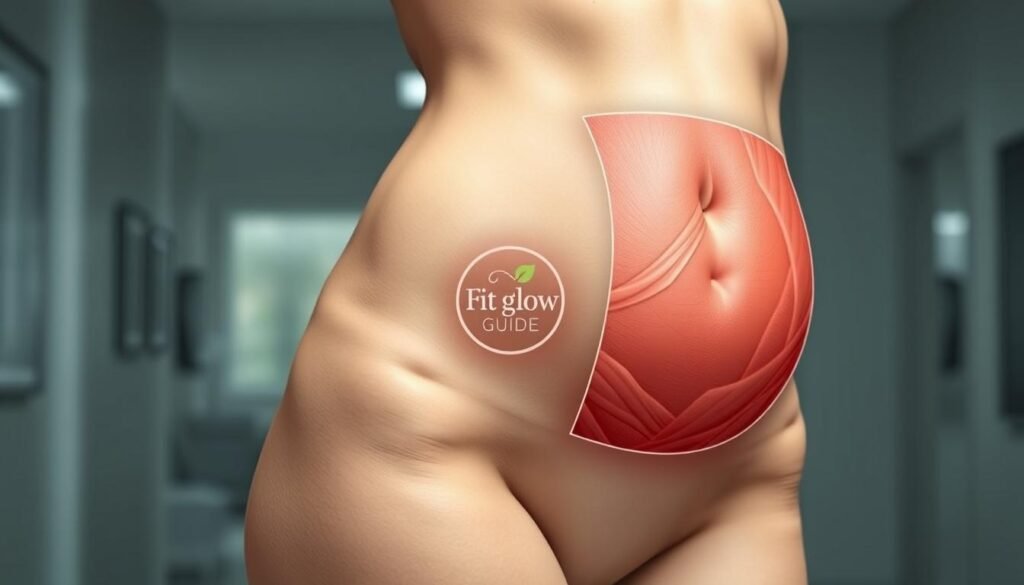
Research has revealed an intriguing link between tummy tuck procedures and subsequent weight loss. Studies have shown that many patients, particularly those who were overweight or obese before surgery, experienced sustained weight loss after their procedure.
| Study Findings | Percentage/Outcome |
|---|---|
| Patients maintaining weight loss beyond tissue removed | 70% |
| Patients reporting increased satiety | Three-fourths |
| BMI threshold for sustained weight loss effect | 24.5 or higher |
Scientists hypothesize that removing fat cells from the abdomen may alter hormone production related to hunger and appetite, potentially aiding in weight loss. While these findings are promising, they should be considered a beneficial side effect rather than a primary reason for undergoing a tummy tuck.
Weight Loss After Tummy Tuck: What to Expect

Tummy tuck surgery is primarily aimed at improving abdominal contour, but its impact on weight is also noteworthy. While the primary goal of abdominoplasty is to enhance the aesthetic appearance of the abdomen, research has shown that it can also have a positive effect on weight management.
The Science Behind Post-Tummy Tuck Weight Changes
Studies have indicated that a significant percentage of patients experience weight loss after undergoing a tummy tuck. This phenomenon can be attributed to several factors, including the removal of excess skin and fat, which can lead to a reduction in overall body weight.
Research findings suggest that approximately 70% of tummy tuck patients may experience sustained weight loss beyond the amount of tissue removed during surgery. Patients with a preoperative BMI of 24.5 or higher tend to see the most significant long-term weight management benefits.
Increased Satiety: How Tummy Tucks May Affect Appetite
Some patients report feeling fuller after a tummy tuck, which could be due to the tightening of the abdominal muscles and the removal of excess skin. This increased satiety can contribute to weight loss as it may lead to a reduction in caloric intake.
Realistic Expectations for Post-Surgery Weight Loss
It’s essential for patients to have realistic expectations regarding weight loss after a tummy tuck. While some weight loss is possible, it is typically modest compared to dedicated weight loss procedures. Individual results vary based on factors such as pre-surgery weight, lifestyle habits, and genetic factors.
Patients should view any weight loss benefits as a welcome side effect rather than the primary goal of tummy tuck surgery. Maintaining a healthy lifestyle, including a balanced diet and regular exercise, is crucial for sustaining weight loss over time.
How Weight Fluctuations Affect Your Tummy Tuck Results
Your tummy tuck results can be influenced by changes in your weight after the procedure. Maintaining a stable weight is crucial for preserving the aesthetic outcomes of your surgery. Weight fluctuations can impact the longevity and appearance of your tummy tuck results.
Losing Weight After Your Procedure
Losing weight after a tummy tuck can alter the results. If you lose a significant amount of weight, it may change the contour of your abdomen. However, it’s generally recommended to be at or near your ideal weight before undergoing the procedure.
The Impact of Weight Gain on Your Results
Weight gain after a tummy tuck can compromise the results by stretching the skin and potentially leading to new fat deposits. This can alter the abdominal contour achieved through surgery.
The 10-Pound Rule: Understanding Safe Weight Fluctuations
The “10-pound rule” is a guideline used by plastic surgeons to advise patients on maintaining optimal tummy tuck results. It suggests that weight fluctuations within 10 pounds of your post-surgery weight are generally safe and won’t significantly affect your results. Exceeding this threshold can lead to visible changes in your abdominal contour. This rule acknowledges normal weight fluctuations due to seasonal changes, lifestyle adjustments, or hormonal variations.
To maintain the best possible results from your tummy tuck, it’s essential to keep your weight stable. Minor weight fluctuations are normal, but significant changes can impact the longevity of your results. By understanding the “10-pound rule,” you can better manage your expectations and maintain the aesthetic benefits of your tummy tuck.

Maintaining Your Tummy Tuck Results Long-Term
The key to preserving your tummy tuck results lies in making sustainable lifestyle changes. After your tummy tuck, you will likely be incredibly pleased with the results. With a tighter, more contoured abdomen and midsection, you are going to feel more confident and self-assured in your everyday life.
To maintain your new figure, it’s crucial to focus on a combination of regular exercise, balanced nutrition, and healthy lifestyle habits. Establishing a sustainable exercise routine is vital. This doesn’t mean you need to become a fitness enthusiast, but rather find physical activities that you enjoy and can stick to in the long term.
Establishing a Sustainable Exercise Routine
Engaging in regular physical activity not only helps maintain weight but also improves overall health. Aim for a mix of cardiovascular exercises, strength training, and flexibility workouts to keep your body in balance. This balanced approach will help you maintain the toned appearance of your abdomen and support your overall results.
Nutrition Guidelines for Stable Results
A balanced diet is crucial for maintaining your tummy tuck results. Focus on consuming a variety of nutrient-dense foods, including fruits, vegetables, lean proteins, and whole grains. Avoiding excessive sugar and saturated fats can help prevent weight gain and support your overall health.
Lifestyle Factors That Preserve Your Results
Several lifestyle factors play a significant role in maintaining your tummy tuck results. These include:
- Managing stress through techniques like meditation or yoga
- Prioritizing adequate sleep to support metabolic health
- Avoiding tobacco products to preserve skin elasticity
- Limiting alcohol consumption to maintain stable weight
- Wearing supportive garments during high-impact activities
- Practicing regular skin care to maintain elasticity and enhance the appearance of surgical scars
By incorporating these habits into your dailywayof life, you can enjoy the benefits of your tummy tuck for years to come.
When Additional Procedures May Be Necessary
After a tummy tuck, some patients may require additional procedures to achieve their desired outcome. While the initial surgery can significantly improve the appearance of the abdomen, certain factors may necessitate further intervention.
Signs You Might Need a Revision Procedure
Patients should be aware of the signs that may indicate the need for a revision procedure. These can include excess skin that was not addressed during the initial surgery, asymmetries, or scarring that is more noticeable than expected. Significant weight loss after the initial procedure can also lead to the need for additional surgery to remove excess skin.
Tummy Tuck Revision Options After Significant Weight Loss
For individuals who experience substantial weight loss following their tummy tuck, revision options are available. These may include additional skin removal, scar revision, or other corrective procedures to refine the abdominal area. The goal of these revisions is to maintain the aesthetic improvements achieved by the initial tummy tuck surgery.
Timing Considerations for Secondary Procedures
Timing is crucial when considering revision procedures. Most plastic surgeons recommend waiting a minimum of 12-18 months after the initial tummy tuck to allow for complete healing and scar maturation. If weight loss is ongoing, it’s advisable to wait until the weight has stabilized for at least 6 months. The nature of the concern also plays a role in timing; minor scar revisions can be performed earlier, while more extensive revisions require complete healing.

Consulting with the original surgeon provides valuable continuity of care and insight into the patient’s specific surgical history. Patients should have realistic expectations about the recovery process for secondary procedures, which may be similar to or longer than the initial surgery depending on the extent of the revision.
Planning for Life Changes After Your Tummy Tuck
Life after a tummy tuck involves understanding how various factors can influence the longevity of your results. A tummy tuck can significantly improve the appearance of your abdomen, but it’s crucial to consider future life events that might affect your outcomes.
Pregnancy Considerations
If you’re planning to have children, it’s generally recommended to do so before undergoing a tummy tuck. Significant weight gain during pregnancy can alter the results of your tummy tuck. Pregnancy after a tummy tuck can dramatically change the abdominal contour achieved by the surgery.
Managing Age-Related Changes
As you age, your body will continue to change naturally. Understanding that some changes are inevitable can help you maintain realistic expectations about your tummy tuck results. Factors such as lifestyle, genetics, and age at the time of surgery play a significant role in how long your results last.
Long-Term Expectations
While a tummy tuck can provide dramatic improvements, it’s essential to have realistic expectations. The most significant results typically last 10-15 years. Maintaining a healthy lifestyle and monitoring your body’s changes can help you enjoy your results for a longer period.
- Understanding that maintaining your results requires ongoing commitment to healthy habits.
- Recognizing that your tummy tuck is part of your body’s journey, not a permanent solution.
Working With Your Surgeon for Optimal Results
The journey to a slimmer, more confident you through a tummy tuck begins with selecting the right surgeon and following their expert advice. To achieve the best possible outcome, it’s essential to understand the critical role your surgeon plays in your tummy tuck journey.
Choosing the Right Surgeon
Visiting an experienced, board-certified plastic surgeon is crucial for optimal results. Their expertise ensures that you receive a personalized aftercare plan tailored to your specific needs, helping you maintain your tummy tuck results.
Key Discussion Points During Your Consultation
During your consultation, discuss your goals and expectations with your surgeon to create a clear understanding of what you want to achieve. This is also the time to inquire about their experience with tummy tuck procedures and their approach to your specific case.
Creating a Personalized Post-Surgery Plan
- Develop a comprehensive post-surgery plan that includes detailed recovery guidelines and a graduated exercise program.
- Discuss nutritional strategies that support optimal healing and long-term results.
- Establish a schedule for follow-up appointments to monitor your healing and address any concerns.
By working closely with your surgeon and following their guidance, you can achieve the best possible results from your tummy tuck procedure and enjoy a smoother, more confident you.
Conclusion
As you’ve learned throughout this Fit Glow Guide, a tummy tuck is more than just a cosmetic procedure; it’s a step towards achieving your body goals. Understanding its complex relationship with weight loss and overall weight management is crucial for optimal results. By following the guidelines outlined here, you can maximize your outcomes and enjoy a transformed abdomen for years to come. Working with a qualified surgeon and adopting healthy lifestyle habits will help you maintain your results and feel your best.
FAQ
Is abdominoplasty the same as a tummy tuck?
Yes, abdominoplasty is another term for a tummy tuck. It is a surgical procedure that involves removing excess skin and fat from the abdomen and tightening the abdominal muscles.
Will I lose weight significantly after undergoing a tummy tuck procedure?
A tummy tuck is not a substitute for weight loss. While some patients may experience a slight reduction in body mass, the primary goal of the surgery is to improve the appearance of the abdomen by removing excess skin and fat.
How much fat can be removed during an abdominoplasty?
The amount of fat that can be removed varies depending on the individual case and the type of procedure performed. Your surgeon will assess your condition and discuss the expected outcomes during your consultation.
Can I get pregnant after a tummy tuck?
Yes, pregnancy is still possible after a tummy tuck. However, it’s generally recommended to postpone the surgery until you’ve completed your family, as pregnancy can affect the results.
How can I maintain my tummy tuck results long-term?
To preserve your results, it’s essential to establish a sustainable exercise routine, follow nutrition guidelines, and maintain a stable body weight. Regular check-ins with your surgeon can also help you address any concerns.
What are the signs that I might need a revision procedure?
If you experience significant weight fluctuations, notice sagging skin, or are unhappy with the appearance of your abdomen, you may be a candidate for a revision procedure. Consult with your surgeon to discuss your options.
How do I choose a qualified plastic surgeon for my tummy tuck?
Look for a board-certified plastic surgeon with extensive experience in performing abdominoplasty procedures. Check their credentials, read reviews, and schedule a consultation to discuss your goals and expectations.