Did you know that professional basketball players can run up to 4 miles during a single game? The physical demands of basketball are immense, requiring a combination of skill, strength, and endurance. For those looking to enhance their game without stepping foot in a gym, effective training is possible from the comfort of home.
The Fit Glow Guide philosophy, “Your Body. Your Glow. Your Guide,” aligns perfectly with basketball training, emphasizing personalized fitness approaches that illuminate natural athletic abilities. By focusing on body conditioning and skill development, individuals can improve their overall fitness and performance on the court.
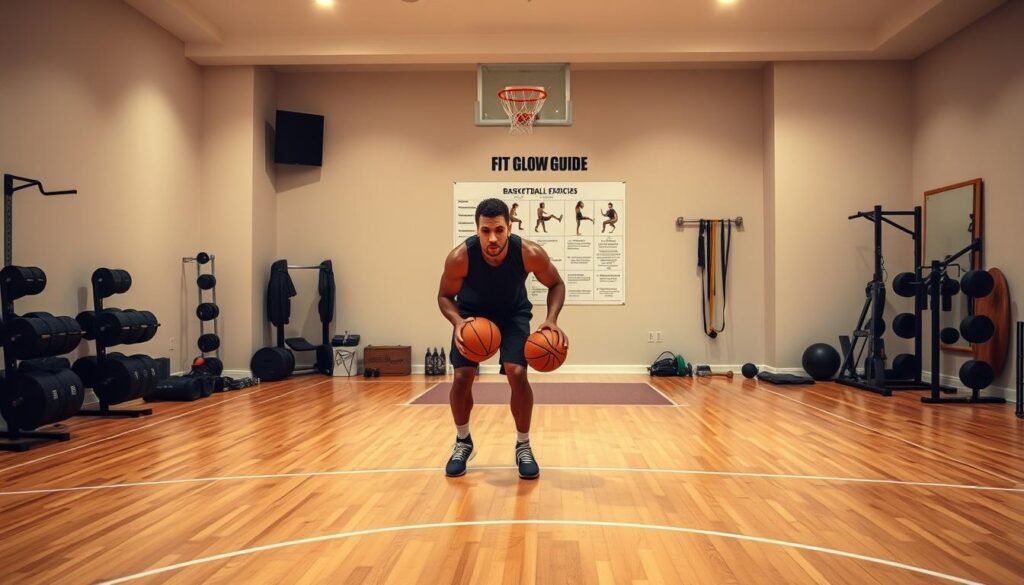
Creating a comprehensive workout routine at home allows players to maintain and improve their skills, regardless of external limitations. With minimal equipment, you can achieve professional-level results by focusing on exercises that enhance strength, agility, and endurance.
Key Takeaways
- Effective basketball training can be done at home with minimal equipment.
- Body conditioning and skill development are crucial for improving basketball performance.
- A well-structured workout routine can enhance strength, agility, and endurance.
- Personalized fitness approaches are key to unlocking natural athletic abilities.
- Consistency is essential for achieving professional-level results in basketball training.
Why Basketball-Specific Training Matters
Effective basketball training involves a focused regimen that combines technical skill development with physical conditioning. This dual approach is essential for athletes seeking to improve their overall performance on the court. By tailoring workouts to the specific demands of basketball, players can achieve significant gains in their game.
The Dual Focus: Skills and Conditioning
Basketball-specific training addresses the unique physical and technical demands of the sport. Skills training consists of exercises to improve technical skills, such as dribbling drills and practicing layups from different spots on the court. Conditioning, on the other hand, focuses on building strength, agility, and endurance.
The combination of skills development and conditioning creates a complete basketball athlete. As noted by NBA players like Kemba Walker, “You could do all the running you want, but basketball shape is just so different.” This highlights the importance of a dual focus approach in achieving basketball excellence.
| Training Component | Description | Benefits |
|---|---|---|
| Skills Training | Dribbling drills, layups, shooting practice | Improved technical skills, better court awareness |
| Conditioning | Strength training, agility drills, endurance exercises | Enhanced physical fitness, increased endurance |
Benefits of Training at Home
Training at home offers several advantages, including time efficiency, cost savings, and the privacy to work on weaknesses. Home-based workout routines allow for daily skill repetition and conditioning, which builds the muscle memory and physical adaptations necessary for on-court success.
The Fit Glow Guide approach emphasizes personalized training that aligns with your specific basketball goals. Whether you’re a beginner or an experienced player, home-based training can help you achieve your desired level of fitness and performance.
“The Fit Glow Guide approach emphasizes personalized training that aligns with your specific basketball goals, whether you’re a beginner looking to build fundamentals or an experienced player maintaining elite performance.”
Essential Warm-Up Routine for Basketball Players
Before diving into basketball training, a thorough warm-up routine is crucial for optimal performance and injury prevention. A well-designed warm-up prepares the cardiovascular system, increases blood flow to the muscles, and activates the specific movement patterns required for basketball.
Dynamic Stretches to Prepare Your Body
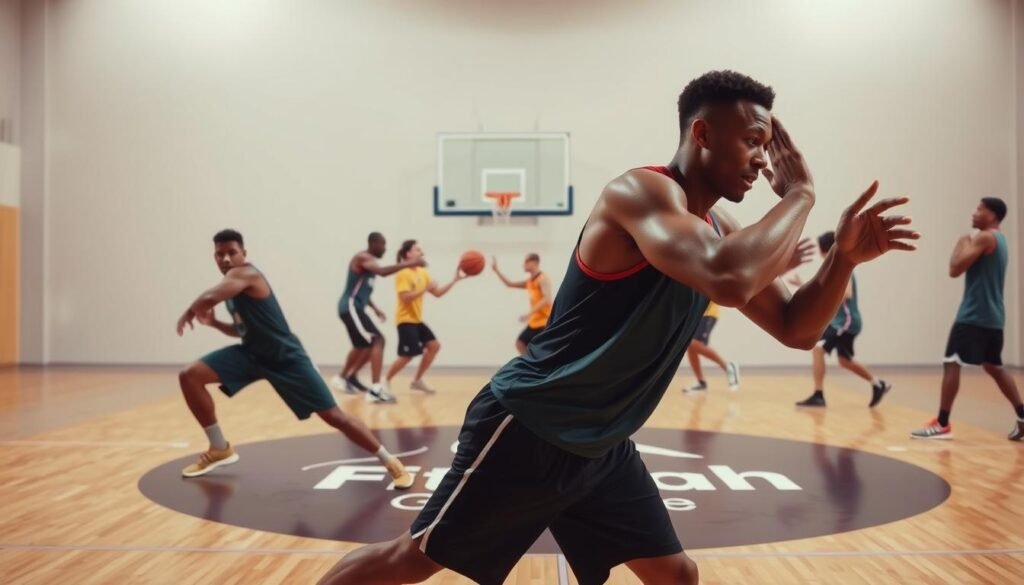
Dynamic stretches are essential for preparing your body for the explosive movements involved in basketball. Unlike static stretches, dynamic stretches better prepare the muscles for the upcoming exertion, reducing the risk of injury and improving range of motion. Examples include leg swings, arm circles, and torso twists. These exercises should be performed for 30 seconds each, with a focus on controlled, fluid movements.
Pre-Workout Mobility Exercises
Pre-workout mobility exercises are critical for ensuring that key basketball joints, such as the ankles, hips, and shoulders, have full range of motion. This is vital for shooting, jumping, and defensive movements. Exercises like squats, lunges, and leg swings help mobilize these joints, preparing the body for the demands of basketball. Each exercise should be done for 30 seconds, with an emphasis on proper form and technique.
Activation Drills for Basketball Movements
Activation drills, such as high knees, lateral shuffles, and arm circles, help establish neuromuscular connections that prime the body for basketball-specific movements. These drills should be performed for 30 seconds each, gradually increasing in intensity to simulate the actual movements encountered during a basketball game. Incorporating drills like defensive slides and quick change-of-direction movements further prepares the body for the dynamic nature of basketball.
| Exercise | Duration | Benefits |
|---|---|---|
| Jumping Jacks | 30 seconds | Boosts cardio, increases blood circulation |
| Squats | 30 seconds | Mobilizes hips, improves leg strength |
| C Skip in Place | 30 seconds | Enhances body balance and rhythm |
A complete basketball warm-up routine should last approximately 10-15 minutes, gradually increasing in intensity. By incorporating dynamic stretches, mobility exercises, and activation drills, basketball players can optimize their performance and reduce the risk of injury.
Effective Basketball Workouts at Home
To enhance basketball performance, it’s crucial to incorporate effective workouts that can be done at home. Basketball training at home can be tailored to improve specific skills and overall fitness.
20-Minute Full-Body Conditioning Circuit
A 20-minute full-body conditioning circuit is an excellent way to improve cardiovascular fitness and strength. This type of workout combines basketball-specific movements with minimal rest periods to simulate game intensity. Exercises such as bodyweight squats, burpees, and mountain climbers are effective for enhancing both strength and cardiovascular fitness.
Basketball-Specific HIIT Training
Basketball-specific HIIT (High-Intensity Interval Training) involves short bursts of high-intensity exercise followed by brief periods of rest. This type of training mirrors the demands of a basketball game, improving recovery capacity between explosive plays. Examples of HIIT exercises include lateral lunges, high knees, and jumping jacks.
Recovery Between Workout Sets
Proper recovery between workout sets is crucial for effective basketball conditioning. Adequate recovery allows for quality repetitions and teaches the body to recover quickly between intense bursts of activity. Heart rate monitoring during these workouts provides valuable feedback on intensity, typically targeting 70-90% of maximum heart rate.
| Exercise | Duration | Rest |
|---|---|---|
| Bodyweight Squats | 30 seconds | 30 seconds |
| Burpees | 30 seconds | 30 seconds |
| Mountain Climbers | 30 seconds | 30 seconds |
Strength Training Without Equipment
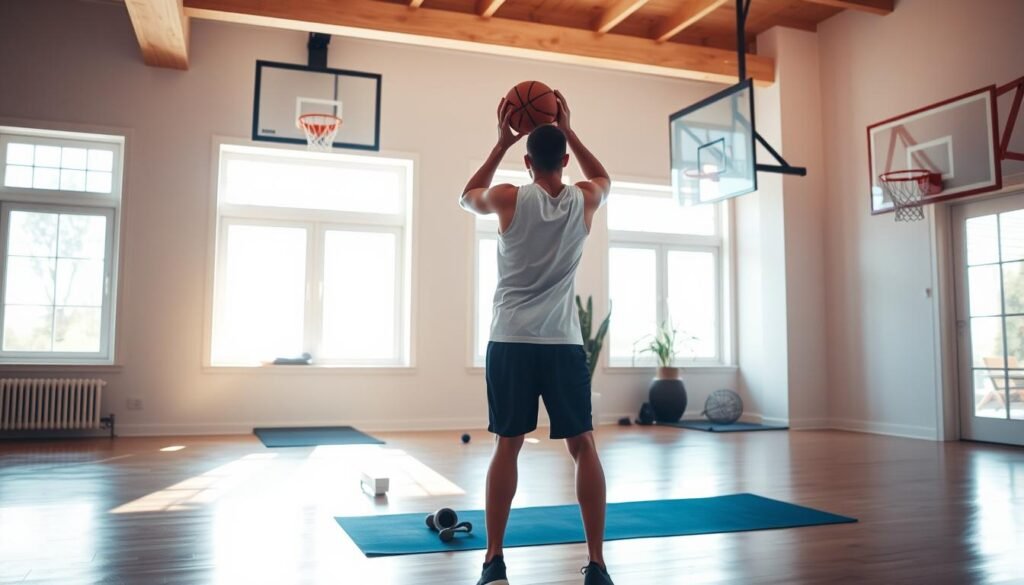
Strength training is a vital component of basketball preparation, enhancing power and endurance. Basketball players can achieve significant gains in strength without the need for any equipment, leveraging bodyweight exercises that target specific muscle groups and movement patterns essential for basketball performance.
Lower Body Exercises for Explosive Power
Lower body strength is critical for explosive power in basketball, enabling players to jump higher and accelerate faster. Exercises like bodyweight squats and lunges are effective for building strong glutes, quads, and hamstrings. Variations such as jump squats or single-leg lunges can add variety and challenge to the workout. Additionally, deadlifts done with bodyweight or improvised weights like water jugs can enhance strength.
Core Strengthening for Better Balance
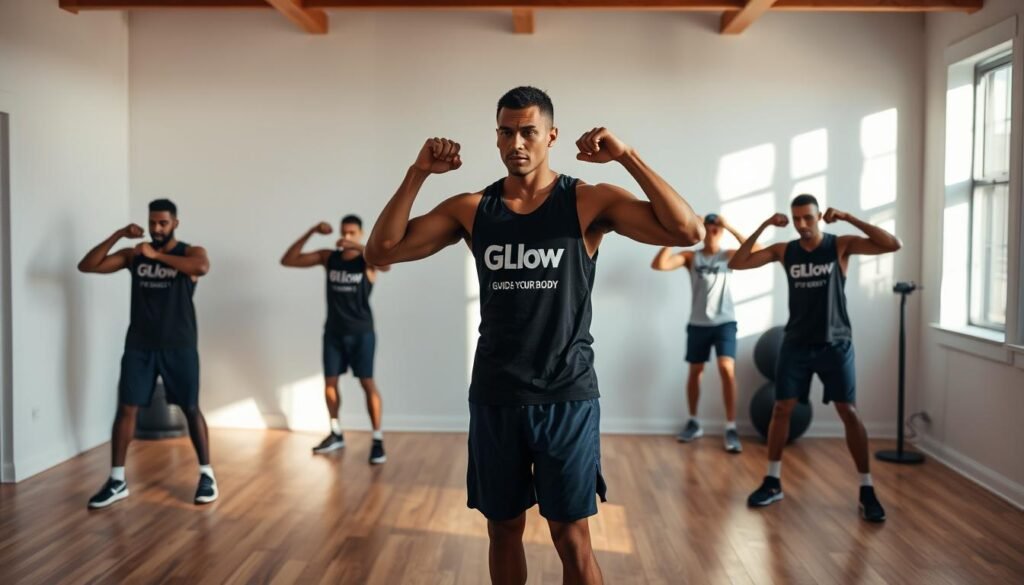
Core strength is essential for maintaining balance and stability on the court. While traditional crunches are beneficial, a well-rounded core strengthening routine should also include rotational movements and anti-rotation exercises. These exercises help develop the stabilizing muscles necessary for shooting accuracy, defensive positioning, and overall injury prevention.
Upper Body Workouts for Shooting Power
Upper body strength, particularly in the chest, shoulders, and back, is vital for shooting power and ball control. Push-ups are an effective exercise for building upper body strength, and can be modified to suit different fitness levels. Additionally, dumbbell rows or rows using improvised weights can help strengthen the back muscles, crucial for explosive drives and rebounds.
| Exercise | Muscle Group | Benefit |
|---|---|---|
| Bodyweight Squats | Glutes, Quads, Hamstrings | Explosive Power |
| Push-ups | Chest, Shoulders, Triceps | Shooting Power, Ball Control |
| Deadlifts | Glutes, Hamstrings, Back | Strength, Power |
Basketball Skill Drills for Small Spaces
Developing basketball skills doesn’t require a full court; small spaces can be just as effective for training. Many essential basketball skills can be practiced in confined areas such as a hallway, bedroom, or a small section of a driveway.
Ball Handling Exercises to Improve Control
To improve ball handling, focus on dribbling drills like in-and-out and crossovers. Practice these moves with both your left and right hand to enhance overall control. You can create a dribbling maze using cones, tape lines, or even household furniture to challenge yourself and improve your basketball skills.
Footwork Drills to Enhance Agility
Enhance your agility with footwork drills that focus on quick, controlled movements. Practice defensive slides, pivots, and directional changes to improve your performance on the court. These drills can be adapted to small spaces, making them ideal for home training.
Shooting Form Practice Without a Hoop
Perfect your shooting form by practicing your mechanics without a hoop. Focus on proper footwork, hand placement, and follow-through. This will help you develop consistency and improve your shot, even when you’re not on the court.
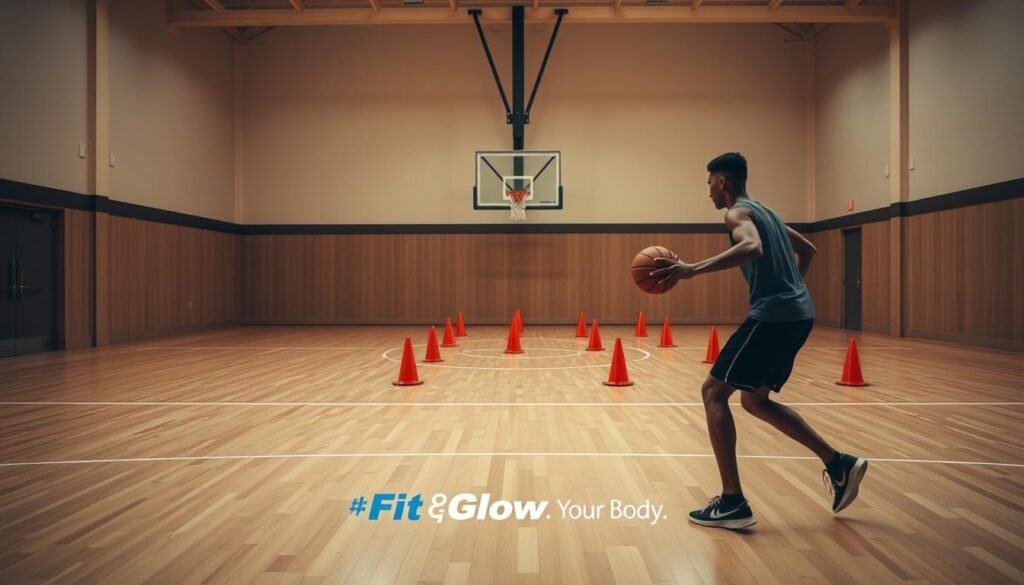
By incorporating these drills into your training regimen, you can significantly improve your basketball skills, even in small spaces. Consistent practice will help develop the muscle memory needed for high-pressure game situations.
Creating Your Weekly Basketball Training Plan
Enhancing basketball skills requires a structured weekly training plan that balances various aspects of the game. A well-designed plan should include a mix of skill development, strength training, conditioning work, and adequate recovery time to prevent overtraining while maximizing performance gains.
To create an effective weekly basketball training plan, consider your current fitness level and goals. The plan should be tailored to your needs, whether you’re a beginner, intermediate, or advanced player.
Beginner’s Schedule: Building Foundations
A beginner’s schedule should focus on building fundamental movement patterns and basic basketball skills. With 3-4 weekly sessions, emphasize proper form over intensity, and gradually increase workout duration as fitness improves. For example, start with 20-minute sessions and increase the time by 5-10 minutes every week.
Intermediate Plan: Increasing Intensity
Intermediate plans should introduce periodization, varying intensity and focus throughout the week. With 4-5 weekly sessions, alternate between high-intensity basketball-specific workouts and strength training days. For instance, Monday and Wednesday can be strength training days, while Tuesday and Thursday are dedicated to basketball drills.
Advanced Routine: Maximizing Performance
Advanced routines for experienced players should maximize performance through strategic programming. Include specialized training blocks, position-specific drills, and carefully monitored intensity to simulate game conditions. For example, focus on explosive strength training one day and endurance drills the next.
| Level | Weekly Sessions | Focus |
|---|---|---|
| Beginner | 3-4 | Fundamental movement patterns, basic basketball skills |
| Intermediate | 4-5 | Periodization, varying intensity, strength training |
| Advanced | 5+ | Specialized training blocks, position-specific drills, game conditions |
Regardless of your level, it’s essential to include dedicated recovery days and active recovery techniques to prevent overtraining and reduce injury risk. Listen to your body and adjust your plan as needed to stay in shape and improve your game.
Conclusion
The journey to basketball excellence begins at home, where dedication and the right training approach can elevate your game. Consistent basketball workouts at home can transform your on-court performance by developing the specific strength, conditioning, and skills needed to excel in game situations.
By following the Fit Glow Guide philosophy of “Your Body. Your Glow. Your Guide,” you can tailor your training to enhance your natural talents. This comprehensive approach addresses all aspects of basketball fitness: cardio for endurance, strength for rebounding, and skill development for offensive effectiveness.
Remember, achieving shape in basketball requires sport-specific conditioning that prepares your body for the unique demands of the game. With consistent practice and a well-structured training plan, you can improve your performance and reach your basketball goals.
FAQ
How often should I do strength training for basketball?
For optimal results, incorporate strength training into your routine 2-3 times a week, focusing on exercises that improve explosive power and overall muscle endurance.
What are some effective cardio exercises for improving endurance in basketball?
Incorporate high-intensity interval training (HIIT) with exercises like jumping jacks, squats, and lunges to boost your cardiovascular endurance and simulate the demands of a basketball game.
How can I improve my vertical jump without equipment?
Focus on bodyweight exercises like squats, lunges, and calf raises to strengthen your lower body, and incorporate plyometric exercises to enhance your explosive jumping ability.
What is the best way to warm up before a basketball training session?
Begin with dynamic stretches to loosen your muscles, followed by mobility exercises to prepare your joints, and finish with activation drills that mimic basketball movements to get you ready for intense training.
How can I create a balanced weekly training plan for basketball?
Structure your plan around your current fitness level, incorporating a mix of strength training, cardio exercises, and skill drills, and adjust the intensity and frequency as you progress from beginner to advanced levels.
Are there any specific exercises to improve shooting power?
Focus on upper body workouts that strengthen your shoulders, arms, and core, such as dumbbell exercises, to enhance your shooting power and overall performance on the court.
How long should I rest between workout sets?
Allow your body adequate rest time between sets, typically 60-90 seconds, to recover and replenish your energy stores, ensuring you’re ready to give your best effort during each set.