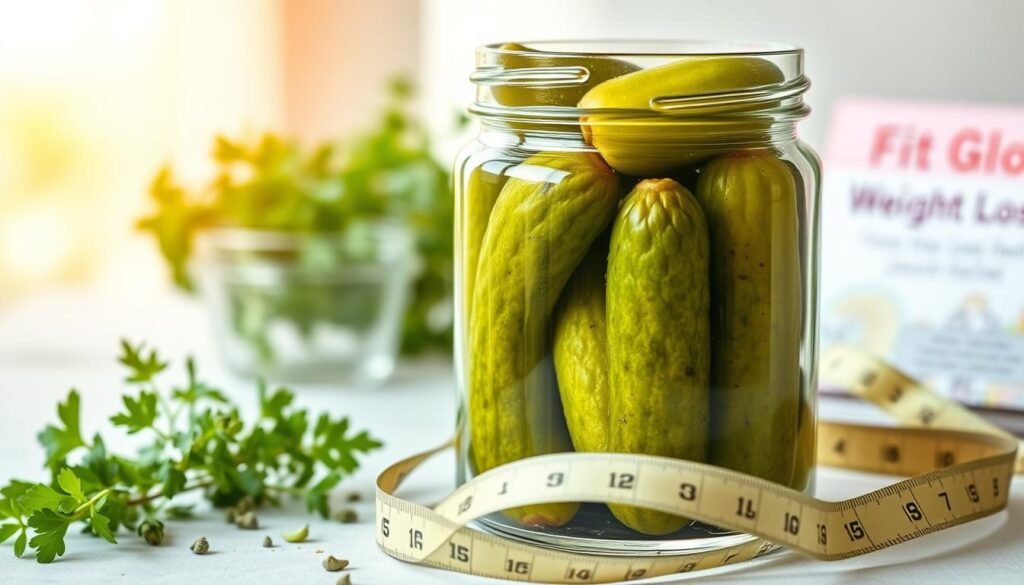
Could a crunchy, tangy snack actually support your wellness goals? While fermented foods often spark debates in nutrition circles, cucumbers preserved in vinegar or brine might hold surprising advantages. With just 5-10 calories per serving and nearly zero fat, these salty treats seem like a guilt-free option. But does their high sodium content—around 786 mg per medium pickle—outweigh potential benefits?
The pickling process preserves cucumbers using spices, vinegar, or natural fermentation. This method creates probiotics, which support gut health and digestion. For those tracking calories, these snacks offer a flavorful way to add variety without excess energy intake. Their sharp taste may even help curb cravings between meals.
However, balance is key. Excessive sodium can impact blood pressure, so moderation matters. At Fit Glow Guide, we believe in “Your Body. Your Glow. Your Guide.”—prioritizing science-backed choices that align with personal health needs. Let’s explore how this humble food fits into holistic wellness strategies.
Key Takeaways
- Low-calorie snacks like pickles can add flavor without significant energy intake
- Fermented varieties provide probiotics for improved digestion
- High sodium levels require mindful consumption to avoid health risks
- Tangy flavors may help manage appetite between meals
- Pairing with water-rich foods supports hydration and balance
Nutrition Facts and Health Benefits of Pickles
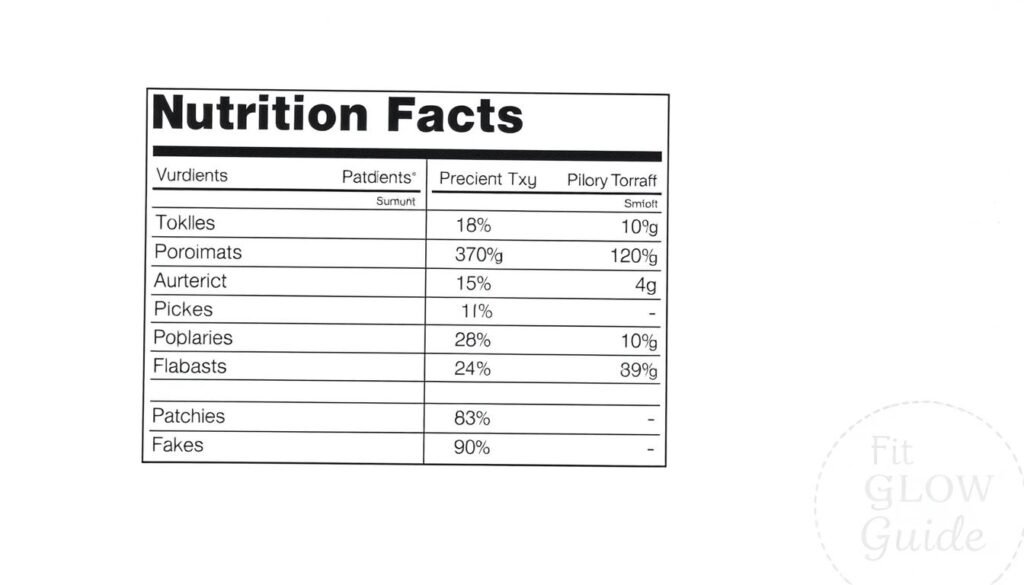
Crunchy fermented cucumbers pack more than just flavor. A single 65-gram serving delivers only 7 calories and 0.1g fat, making them a smart snack for calorie-conscious plans. Their secret weapon? Water content reaching 95% helps maintain fluid balance during active days.
Low-Calorie and Hydration Benefits
These briny bites shine in weight management strategies due to their minimal energy density. The high moisture levels support hydration—a crucial factor often overlooked in appetite regulation. USDA data confirms they provide small amounts of vitamin K for bone strength and beta carotene for immune function.
High Sodium Concerns and Moderation
One medium pickle contains 786mg sodium—34% of the daily limit. While spices used in brining add antioxidants, excessive salt intake may strain cardiovascular health. Experts recommend pairing them with potassium-rich foods like spinach to counterbalance effects.
For those monitoring blood pressure, portion control matters. Fermented varieties offer gut-friendly bacteria, but vinegar-preserved types lack these probiotics. Always check labels—some brands add hidden sugars that undermine their benefits.
Understanding are pickles good for weight loss
Briny fermented vegetables offer unique advantages for those managing their eating patterns. Their sharp, acidic taste activates taste receptors that may signal fullness to the brain, potentially reducing the urge to overeat.
Flavor-Driven Satiety Mechanisms
The distinctive sourness of preserved cucumbers stimulates saliva production and digestive enzymes. This process creates a sensory experience that satisfies cravings faster than bland snacks. Research suggests strong flavors can trick the mind into feeling content with smaller portions.
With only 7-10 calories per piece, these snacks provide volume without significant energy intake. Their modest fiber content (0.5g per serving) contributes to gradual digestion, helping maintain steady blood sugar levels between meals.
Nutritionists emphasize pairing fermented vegetables with protein sources like nuts or yogurt. This combination creates balanced snacks that stabilize energy levels while keeping sodium intake in check. As Fit Glow Guide advocates: “Your Body. Your Glow. Your Guide.”—highlighting personalized approaches to nourishment.
While helpful for managing hunger pangs, these low-calorie options shouldn’t replace nutrient-dense meals. Their high sodium content (786mg per serving) requires careful portion control to support cardiovascular wellness. For sustainable results, integrate them into varied diets rich in whole foods.
Pickles, Gut Health and Probiotics
Beyond their zesty flavor, preserved cucumbers offer hidden advantages for digestive wellness. The fermentation process transforms ordinary vegetables into probiotic powerhouses, creating live cultures that support microbial balance. At Fit Glow Guide, we champion smart choices that nourish from the inside out—because true vitality begins in the gut.
Microbial Magic Through Fermentation
Naturally fermented varieties develop beneficial bacteria like Lactobacillus during preservation. These microorganisms strengthen intestinal lining integrity and aid nutrient absorption. Studies show regular consumption may reduce bloating and improve immune response.
Preservation Methods Matter
Vinegar-brined types undergo pasteurization, eliminating live cultures. Fermented versions retain active strains through saltwater curing without heat treatment. Check labels for “unpasteurized” or “live cultures” to identify genuine probiotic sources.
| Feature | Fermented Pickles | Vinegar Pickles |
|---|---|---|
| Probiotics | Yes (live cultures) | No |
| Sodium per serving | 500-800mg | 600-900mg |
| Vitamin K content | 15% DV | 8% DV |
| Antioxidants | Beta carotene + spices | Added sugars possible |
Essential Nutrients in Every Bite
These tangy treats deliver vitamin A for eye health and vitamin K for blood clotting. Spices like turmeric and dill add antioxidants that combat inflammation. One serving provides 2% of daily potassium needs, helping offset sodium effects.
While beneficial, moderation remains crucial. Pair fermented options with leafy greens or bananas to maintain electrolyte balance. As we say at Fit Glow Guide: “Nourish your microbiome, and it will nourish you.”
Conclusion
Fermented cucumbers walk a nutritional tightrope between advantages and precautions. Their low-calorie crunch makes them ideal for managing hunger between meals, while the tangy flavor profile helps satisfy cravings. However, sodium levels averaging 786mg per serving demand careful portion control.
Choosing unpasteurized, fermented varieties unlocks probiotic benefits for gut function—unlike vinegar-preserved types that lack live cultures. Pair these tangy snacks with potassium-rich foods like bananas to counterbalance salt intake.
No single food guarantees results. While fermented cucumbers offer hydration support and appetite-curbing sharpness, lasting wellness requires balanced meals and movement. At Fit Glow Guide, we champion smart choices: “Your Body. Your Glow. Your Guide.”
Enjoy these briny treats as part of varied nutrition plans—not miracle solutions. When consumed mindfully, they add flavor and texture without derailing goals. Just remember: quality trumps quantity in every bite.
FAQ
Can pickles help control hunger while dieting?
Yes. The vinegar in pickles may slow digestion, promoting fullness. Their crunchy texture and bold flavor can also satisfy cravings without adding significant calories. However, pairing them with protein or fiber-rich foods creates a more balanced approach to appetite management.
How does the sodium in pickles impact health?
A single dill pickle spear contains ~250–350mg of sodium. While this supports electrolyte balance, excessive intake may lead to water retention or elevated blood pressure. Opt for low-sodium brands like Claussen or rinse brine-packed varieties before eating to reduce salt content.
Do all pickles contain probiotics?
Only fermented types, such as traditional kosher dills or Bubbies pickles, retain live cultures. Most store-bought options use vinegar brines, which lack probiotics. Check labels for terms like “unpasteurized” or “naturally fermented” to ensure gut-friendly benefits.
What distinguishes vinegar pickles from fermented ones?
Vinegar pickles rely on acetic acid for tanginess and have a shorter shelf life. Fermented versions undergo a natural process where saltwater encourages lacto-bacteria growth, creating probiotics. The latter often has a cloudier brine and deeper flavor profile.
Are pickles a meaningful source of vitamins?
While not nutrient-dense, they provide small amounts of vitamin K (for blood clotting) and antioxidants like beta-carotene. Spices added during brining, such as turmeric or garlic, may enhance their anti-inflammatory properties.
Can the water content in cucumbers benefit hydration?
Fresh cucumbers are 95% water, but brining reduces this slightly. Pickles still contribute to daily fluid intake, aiding hydration—a key factor in metabolism and energy levels during weight management.
Should individuals with hypertension avoid pickles?
Those with high blood pressure should monitor intake due to sodium’s impact on fluid retention. Choose low-sodium options or try quick-pickling at home using apple cider vinegar and herbs like dill or mustard seeds.
How do low-calorie pickles fit into a weight loss plan?
With just 5–20 calories per serving, they add flavor without derailing calorie goals. Use them as a garnish, salad topping, or snack replacement for higher-calorie chips or crackers to maintain a deficit.