Are you wondering whether to remove your makeup before heading to an eye exam? Many individuals face this dilemma, especially when appointments coincide with work hours or social events. The average person needs one eye exam per year to evaluate their eye health and detect conditions like diabetes and high blood pressure.
Preparing for your exam is crucial, and understanding how makeup affects the process is essential. At Fit Glow Guide, we believe in balancing beauty practices with optimal eye care. This comprehensive guide will explore the relationship between makeup and eye health, providing practical advice for maintaining both your beauty routine and vision.
Key Takeaways
- Understand how different types of makeup can affect eye exam results.
- Learn adjustments to make to your beauty routine for accurate eye exams.
- Discover the importance of balancing beauty practices with eye health.
- Get insights into maintaining optimal vision and health.
- Find out how to prepare for an exam while still looking your best.
The Importance of Regular Eye Exams
The importance of regular eye exams cannot be overstated, as they help in early detection of various health conditions. Regular eye exams are essential for monitoring changes in your vision prescription, ocular health, and general health. Many medical conditions, such as diabetes and high blood pressure, can present initial symptoms in the eye, which can be detected during an eye exam.
What Happens During an Eye Exam
During a comprehensive eye exam, your optometrist will examine your eye focusing abilities, movement, and overall ocular health using specialized equipment. This includes assessing vision clarity, measuring eye pressure, and evaluating the health of the retina and optic nerve.
Why Annual Eye Exams Matter for Your Health
Annual eye exams are crucial for detecting early signs of serious conditions like glaucoma, cataracts, and macular degeneration. By identifying these issues early, treatment can be more effective and less invasive.
| Condition | Description | Benefit of Early Detection |
|---|---|---|
| Glaucoma | A group of eye conditions that damage the optic nerve. | Prevents vision loss and blindness. |
| Cataracts | Clouding of the eye’s lens. | Improves vision and quality of life. |
| Macular Degeneration | Deterioration of the macula, affecting central vision. | Slows disease progression and preserves vision. |
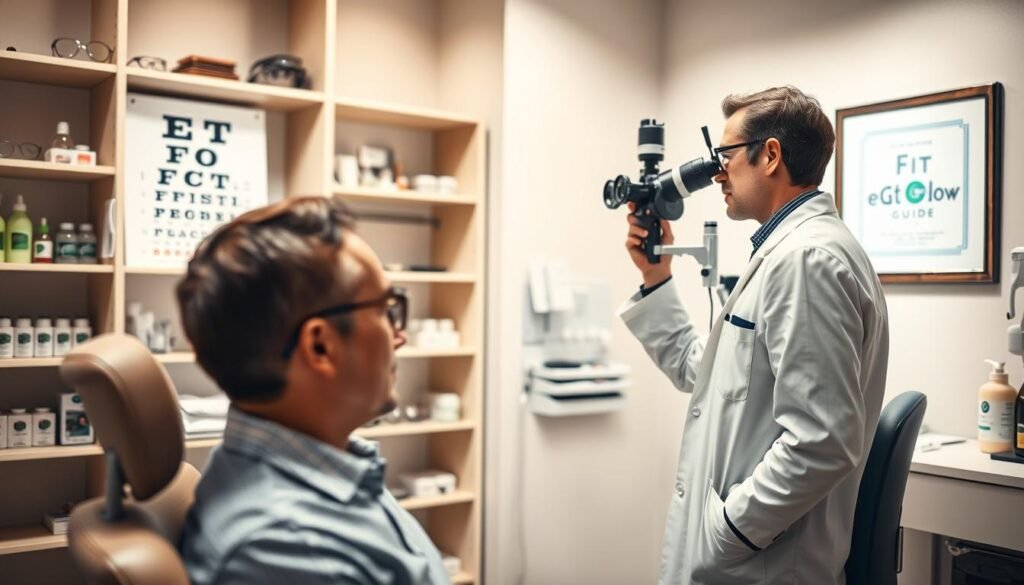
Can I Wear Makeup to an Eye Exam?
When preparing for an eye exam, many individuals wonder if they can still wear their favorite makeup. The answer is not a simple yes or no; it depends on several factors.
The Short Answer: Yes, But…
Yes, you can wear makeup to an eye exam, but it’s recommended to keep it minimal. Heavy or certain types of makeup can interfere with the exam’s accuracy. Avoid waterproof or lash-lengthening mascara, as it can cause eye irritation and be challenging to remove quickly if needed.
How Makeup Can Affect Exam Results
Makeup can potentially affect the results of your eye exam. For instance, makeup residue can smudge under bright lights or when eye drops are administered, obscuring your doctor’s view. Additionally, particles from mascara or eyeshadow can affect tear film quality tests, leading to inaccurate results for conditions like dry eye.
| Makeup Type | Potential Issue | Recommendation |
|---|---|---|
| Waterproof Mascara | Difficult to remove, potential eye irritation | Avoid or be prepared to remove |
| Heavy Eye Makeup | Interferes with exam accuracy, smudging | Keep makeup minimal |
| Lash-Lengthening Mascara | Causes eye irritation | Avoid |
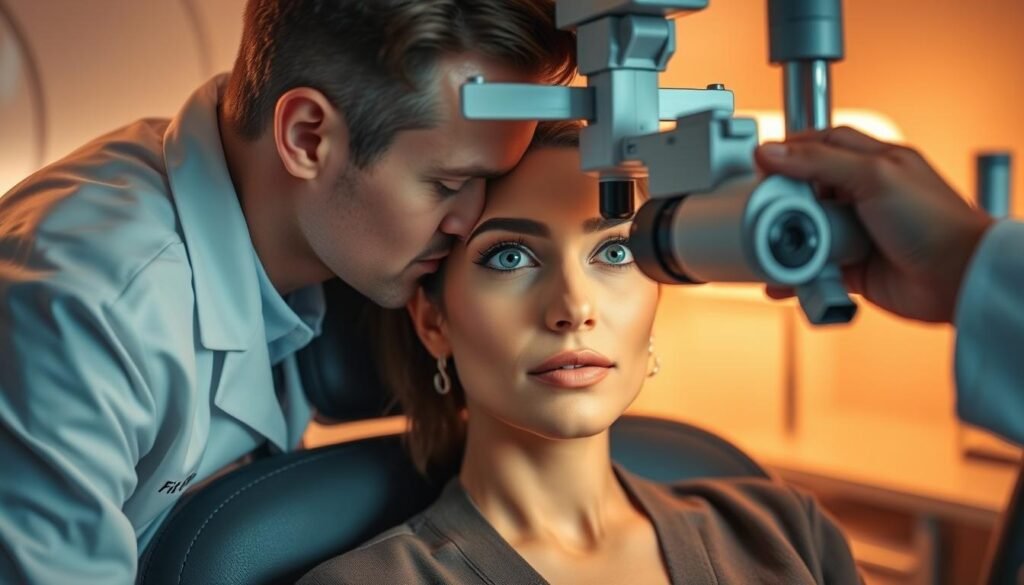
Types of Makeup That May Interfere with Eye Exams
Certain makeup products can complicate eye exams, making it essential to understand which ones to avoid or approach with caution. When you wear makeup to an eye exam, it’s not just about looking your best; it’s also about ensuring the accuracy of the examination.
Mascara and Eyeliner Concerns
Mascara, especially waterproof or lash-lengthening formulas, can flake during the examination, potentially causing irritation or obstructing the doctor’s view. Similarly, eyeliner applied too close to the waterline can block important oil-secreting meibomian glands, affecting tear film quality measurements.
Eyeshadow and Glitter Products
Glittery or shimmery eyeshadows can cause discomfort and potentially scratch the corneal surface as particles fall into the eyes during the examination. This can lead to irritation and affect the overall outcome of the exam.
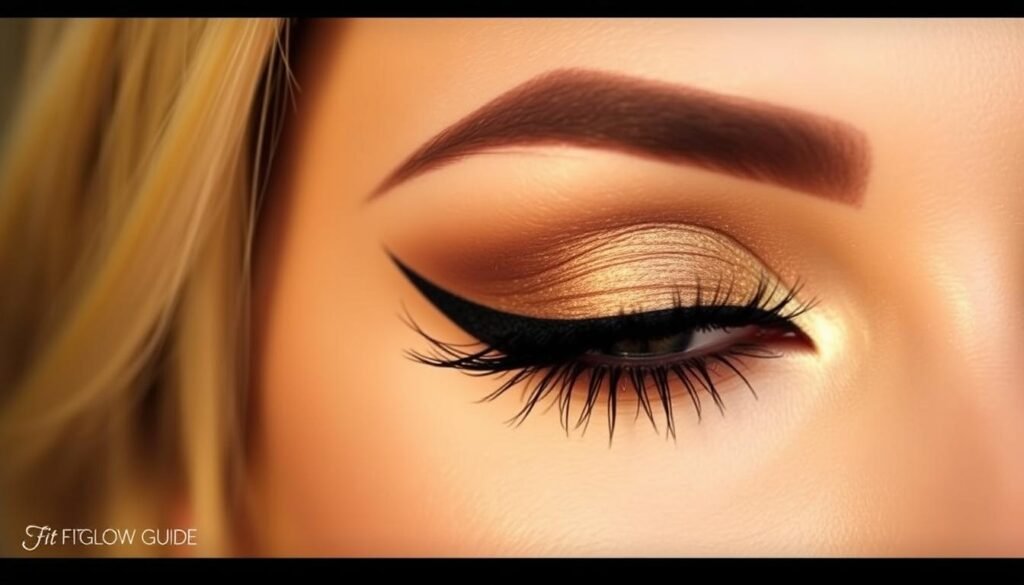
False Eyelashes and Adhesives
False eyelashes and their adhesives create physical barriers that make it difficult for eye doctors to examine your natural lash line and eyelid margins. The chemicals in lash adhesives can also react with contact lens materials, potentially damaging the lenses or causing eye irritation.
Best Practices for Wearing Makeup to Your Eye Appointment
When heading to your eye appointment, a thoughtful approach to your makeup can make all the difference. While it’s okay to wear makeup to your visit, making a few simple adjustments can help ensure the most accurate examination results.
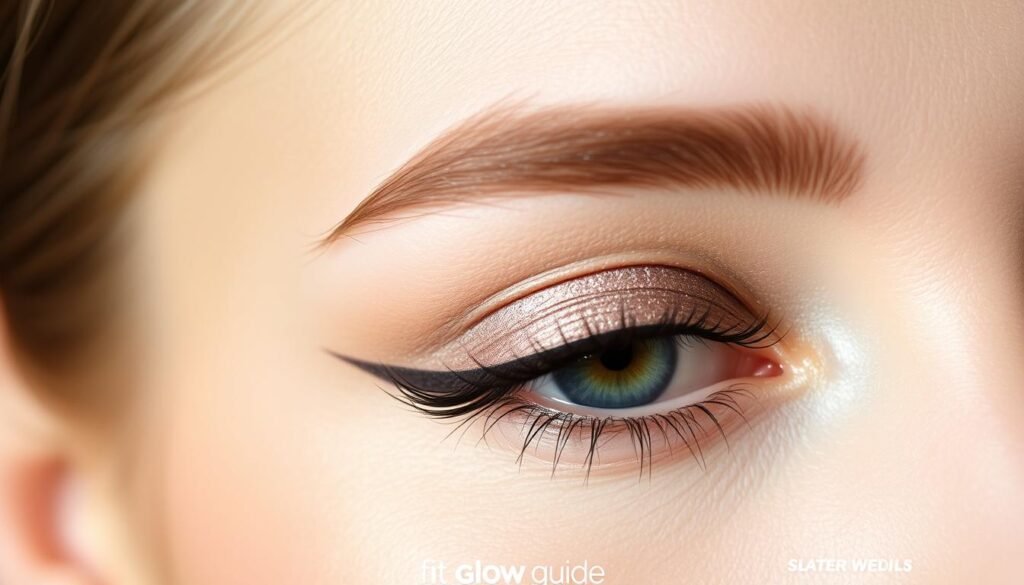
Minimal Makeup Approach
Opting for a minimal makeup approach is advisable when preparing for an eye appointment. Focus on skin products rather than heavy eye makeup to ensure your eye doctor can conduct a thorough examination.
Avoiding Waterproof Products
It’s best to avoid waterproof makeup products, especially mascara and eyeliner, as they can be difficult to remove quickly if needed during your appointment. This is particularly important if your eye exam includes tests that require adding drops to your eyes.
What’s Safe to Wear
Foundation and concealer are generally safe to wear, but apply them sparingly around the eye area to prevent migration into the eyes during the examination. Lip products and cheek makeup are typically safe as well, allowing you to still feel put-together for your appointment with your doctor.
How Makeup Affects Overall Eye Health
Makeup use, particularly around the delicate eye area, poses several risks to eye health. The use of contaminated or expired products can lead to infections, while improper application or removal can cause irritation and exacerbate conditions like dry eyes.
Potential Risks and Irritations
The risks associated with wearing makeup around the eyes include the introduction of bacteria that can lead to infections such as conjunctivitis and styes. Heavy or improperly applied makeup can cause irritation or allergic reactions, worsening conditions like dry eyes. Moreover, failing to thoroughly remove eye makeup can clog meibomian glands, disrupting the tear film’s stability.
- Makeup residue can obstruct the natural function of eyelashes, potentially leading to further irritations or infections.
- Certain makeup ingredients may cause allergic reactions or sensitivity, resulting in redness, itching, or swelling.
Impact on Contact Lens Wearers
Contact lens wearers face additional challenges when wearing makeup around the eyes. Makeup particles can adhere to lenses, causing discomfort and potentially increasing the risk of infection. The American Optometric Association recommends inserting contact lenses before applying makeup and removing them before removing makeup to minimize contamination.
| Risk Factor | Description | Prevention Tip |
|---|---|---|
| Makeup Residue | Clogs meibomian glands, disrupting tear film stability | Thoroughly remove eye makeup |
| Makeup Particles | Adhere to contact lenses, causing discomfort and increasing infection risk | Insert contact lenses before applying makeup |
| Contaminated Products | Introduce bacteria, leading to infections like conjunctivitis | Use fresh, non-expired products |
Makeup Hygiene Tips for Healthy Eyes
To keep your eyes healthy, it’s crucial to follow proper makeup hygiene tips. Good hygiene practices are essential for preventing eye infections and maintaining overall eye health.
When to Replace Eye Makeup Products
Regularly replacing eye makeup products is vital to prevent bacterial contamination. For instance, mascara and liquid eyeliner should be discarded after 3 months, while cream eyeshadows can last up to 6 months. Powder products, if stored correctly, can remain usable for up to a year.
Proper Application and Removal Techniques
Always wash your hands before applying eye makeup to minimize the transfer of bacteria. Use a gentle, ophthalmologist-tested makeup remover for proper removal, and avoid rubbing the delicate skin around your eyes.
Avoiding Cross-Contamination
Never share makeup products, even with family members, to reduce the risk of cross-contamination. Regularly cleaning your makeup brushes and applicators with mild soap and warm water is also crucial for preventing bacterial buildup.
By following these makeup hygiene tips, you can significantly reduce the risk of eye issues and maintain good eye health. Regular care and attention to your makeup routine can help prevent problems and ensure your vision remains clear.
Conclusion: Balancing Beauty and Eye Health
In conclusion, balancing beauty and eye health is achievable with the right approach. By being mindful of your makeup choices, you can ensure a thorough eye exam and maintain healthy vision. Regular eye exams are crucial for detecting conditions like macular degeneration early on.
For contact lens wearers, special care is needed to avoid eye issues. Following your eye doctor’s recommendations on makeup use is key to optimal eye health. Schedule your annual eye exam today to keep your eyes healthy and enjoy your beauty routine safely.