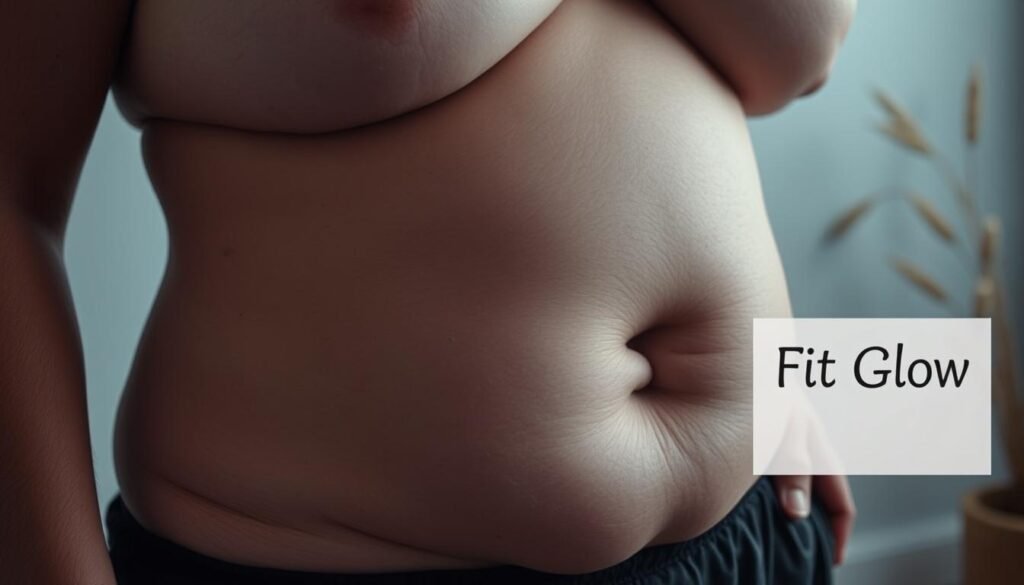
What if the confidence from shedding pounds could be matched by feeling just as strong in your skin? Many people celebrate their body transformations only to face an unexpected challenge: skin that doesn’t quite bounce back. But why does this happen, and what can you do about it?
When you lose a significant amount of fat, your body adapts by reducing its mass. However, the skin—stretched over time—may struggle to retract fully. Collagen and elastin, the proteins responsible for elasticity, can only do so much, especially with age or genetic factors influencing their production.
This isn’t a sign of failure. It’s a natural part of the journey. The good news? Strategies exist to improve skin resilience. From hydration and nutrition to targeted exercises, proactive steps can make a difference. Even better, advancements in treatments offer options for those seeking extra support.
At Fit Glow Guide, we believe in empowering your transformation. With the right strategies, you can support your skin’s resilience—because this journey is about embracing Your Body. Your Glow. Your Guide.
Key Takeaways
- Loose skin often occurs after rapid or major fat loss due to reduced elasticity.
- Collagen and elastin levels, age, and genetics influence skin’s ability to tighten.
- Hydration, balanced nutrition, and strength training can improve skin resilience.
- Non-invasive treatments and medical options are available for stubborn cases.
- Viewing loose skin as a natural outcome fosters a positive mindset during transformation.
Understanding Loose Skin: Causes and Contributing Factors
Achieving your weight goals is a triumph, but the journey doesn’t end when the scale stabilizes. Multiple factors influence whether your skin retains its firmness or develops a looser appearance. Let’s break down the science behind these variables.
Age, Genetics, and Weight Loss Rate
Your body’s ability to adapt during losing weight depends partly on speed. Rapid changes—like dropping 3+ pounds weekly—leave less time for skin to adjust. Over months or years, this can lead to excess skin.
Age and genetics also play roles. Collagen and elastin production drops by 1% yearly after age 20. By 40, studies show a 30% deficit. If family members have stretch marks or sagging, your skin may behave similarly.
| Factor | Impact on Skin | Prevention Focus |
|---|---|---|
| Rapid Weight Loss | High | Gradual reduction |
| Aging | Moderate | Collagen support |
| Genetics | Variable | Early intervention |
Impact of Sun Exposure and Smoking
UV rays break down collagen fibers, while smoking restricts blood flow to skin cells. Combined, they accelerate sagging skin by up to 40%, research suggests. Daily sunscreen and avoiding tobacco help preserve elasticity.
Extended periods carrying extra pounds stretch skin beyond its rebound capacity. Think of it like a rubber band—over time, tension weakens its snap. Nourishing your body and protecting it externally builds resilience for lasting results.
The Science Behind Skin Elasticity and Body Changes
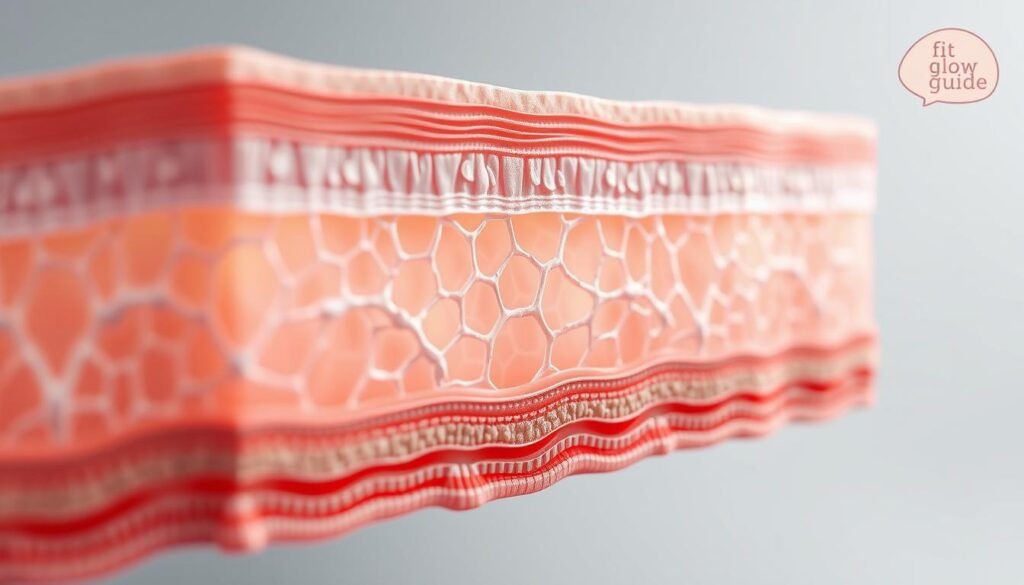
Your skin’s ability to bounce back isn’t just luck—it’s biology in action. At the core of this process are two proteins: collagen and elastin. Together, they form a supportive network that keeps skin firm yet flexible.
Role of Collagen and Elastin
Collagen acts like scaffolding, providing structure and strength. Elastin allows skin to stretch and return to its original shape. Studies show these proteins make up 75-80% of the skin’s dermal layer.
Production peaks in early adulthood but declines by 1% yearly after age 20. By 50, many have lost 30-40% of their collagen reserves. This natural drop reduces skin elasticity, making it harder to recover from body changes.
How the Skin Adapts During Weight Loss
When body mass decreases, skin cells initiate repair mechanisms. Fibroblasts—cells that produce collagen—work to tighten the area. However, rapid transformations overwhelm this process.
Research in the Journal of Investigative Dermatology found gradual weight loss allows better collagen remodeling. Staying hydrated and consuming vitamin C-rich foods supports this biological adjustment, bridging science with daily habits.
Natural Prevention: how to avoid loose skin after weight loss
Your skin thrives when treated as an active partner in your transformation. Steady, mindful habits create the ideal environment for it to adapt during body composition changes.

The Pace Matters
Dropping pounds too quickly often overwhelms your skin’s repair systems. Studies show losing 1-2 pounds weekly allows collagen fibers to reorganize effectively. Crash diets? They strip nutrients vital for elasticity while accelerating fat loss.
“Participants who lost weight gradually maintained 23% better skin elasticity compared to rapid-loss groups.”
Focus on sustainable strategies. Swap extreme calorie cuts for modest reductions paired with nutrient-rich foods. Leafy greens, berries, and fatty fish deliver vitamins C and E plus omega-3s—all proven to boost collagen synthesis.
| Approach | Weekly Loss | Skin Impact |
|---|---|---|
| Gradual | 1-2 lbs | Improved retraction |
| Rapid | 3+ lbs | Reduced elasticity |
Hydration amplifies these effects. Aim for half your body weight in ounces of water daily. Pair this with citrus fruits or cucumber-infused drinks for added silica—a mineral that strengthens skin structure.
Remember: Your choices today shape tomorrow’s results. Nourish your body patiently, and your skin will mirror that care.
Gradual Weight Loss and Building Muscle for Firm Skin
Building strength does more than shape your physique—it shapes your skin’s future. When fat decreases, lean muscle mass steps in, filling areas that might otherwise sag. This natural process creates a firmer appearance while boosting metabolism.

Benefits of Strength Training
Regular exercise targeting major muscle groups stimulates collagen production. Studies show resistance routines improve skin thickness by 12% over six months. More than aesthetics, increased muscle supports underlying tissues, reducing visible looseness.
| Exercise Type | Target Area | Weekly Frequency |
|---|---|---|
| Resistance Training | Full Body | 3-4 Sessions |
| Compound Movements | Core & Limbs | 2-3 Sessions |
| Bodyweight Workouts | Arms & Back | 3-5 Sessions |
“Participants who combined weight loss with strength training saw 31% less skin laxity than diet-only groups.”
Focus on consistency. Squats, push-ups, and deadlifts engage multiple muscles simultaneously. Pair these with protein-rich meals to fuel growth. Over time, this combo tightens your frame while enhancing tone.
Start with 20-minute sessions three times weekly. Gradually increase intensity as endurance builds. Remember: every rep strengthens both body and skin.
Nutrition and Hydration for Enhanced Skin Health
The foods you eat and the fluids you drink directly influence your skin’s ability to stay resilient. Think of your plate as a toolkit—every bite can either support or strain your body’s largest organ.
Fueling Elasticity From Within
Vitamins A, C, and E act as defenders against oxidative stress. Citrus fruits, almonds, and sweet potatoes deliver these nutrients while promoting collagen synthesis. Omega-3 fatty acids—found in walnuts and salmon—strengthen cell membranes, helping skin retain moisture.
“Diets high in antioxidants and healthy fats improve skin thickness by 15% compared to low-nutrient plans.”
| Nutrient | Top Sources | Skin Benefit |
|---|---|---|
| Vitamin C | Bell peppers, strawberries | Collagen production |
| Omega-3s | Chia seeds, mackerel | Moisture retention |
| Zinc | Pumpkin seeds, lentils | Repair acceleration |
Water’s Role in Maintaining Tone
Hydration isn’t just about drinking eight glasses daily. Electrolytes like potassium and magnesium help cells absorb water effectively. Cucumber, celery, and coconut water naturally replenish these minerals.
Dehydration causes skin to appear thinner and less supple. Carry a reusable bottle and infuse it with mint or lemon for flavor. Pair this habit with water-rich foods like watermelon—it’s a double boost for your skin’s bounce.
Skincare and Lifestyle Modifications
Your daily habits hold hidden power over your skin’s future—unlock it with science-backed care. Simple tweaks to your routine can strengthen elastin networks while protecting against environmental stressors.
Effective Skincare Routines and Moisturizers
Morning and night rituals matter. Start with gentle cleansers that remove impurities without stripping natural oils. Follow with hyaluronic acid serums—they bind moisture to skin cells, plumping fine lines. Finish with peptide-rich creams to stimulate elastin production.
Sun protection is non-negotiable. UV rays degrade collagen 3x faster than natural aging. Choose broad-spectrum SPF 30+ with zinc oxide. Reapply every two hours outdoors. “Sunscreen users show 24% less sagging over five years,” notes a 2023 Dermatology Times study.
| Product Type | Key Ingredients | Benefit |
|---|---|---|
| Moisturizer | Ceramides, Squalane | Barrier repair |
| Serum | Vitamin C, Ferulic Acid | Elastin boost |
| Sunscreen | Zinc Oxide, Titanium Dioxide | UV protection |
Lifestyle choices amplify these results. Smoking cuts oxygen flow to skin cells—quitting improves texture in 6-8 weeks. Stress management techniques like yoga lower cortisol levels, reducing inflammation that weakens elastin.
Consistency breeds visible change. Those adhering to 90-day routines report firmer appearance and reduced redness. Pair topical care with antioxidant-rich diets for lasting health benefits. Your skin reflects every choice—make them count.
Non-Surgical and Medical Procedures for Skin Tightening
What options exist when lifestyle adjustments aren’t enough? Modern advancements offer diverse paths to address stubborn areas, blending technology with medical expertise. These solutions range from collagen-boosting therapies to transformative surgeries, each with distinct benefits.
Overview of Noninvasive Treatments
Non-surgical procedures stimulate natural repair mechanisms without incisions. Radiofrequency therapy heats deeper skin layers, triggering collagen renewal. Ultrasound waves tighten tissue through focused energy pulses. Studies show these methods improve firmness by 20-35% over 3-6 months.
| Treatment | Sessions Needed | Results Timeline |
|---|---|---|
| Laser Therapy | 3-5 | 4-6 Weeks |
| Radiofrequency | 4-6 | 3 Months |
| Ultrasound | 1-2 | 2-4 Months |
“Noninvasive skin tightening methods show 68% patient satisfaction rates when combined with collagen supplements.”
Surgical Options for Body Contouring
For significant excess skin, body contouring surgery provides dramatic reshaping. Tummy tucks remove abdominal tissue, while brachioplasty targets upper arms. These medical procedures require recovery periods but offer permanent results.
| Procedure | Recovery Time | Key Benefit |
|---|---|---|
| Abdominoplasty | 4-6 Weeks | Full tissue removal |
| Thigh Lift | 3-5 Weeks | Improved mobility |
Risks like scarring or infection exist. Board-certified surgeons minimize complications through precise techniques. Mild cases may benefit from non-surgical methods first. Severe laxity often requires surgery for optimal outcomes.
Consult dermatologists or plastic surgeons to assess your needs. They’ll evaluate skin quality, health history, and goals. Whether choosing radiofrequency or a surgical lift, informed decisions align treatments with lasting confidence.
Embracing Body Positivity and Long-Term Wellness
Transformation journeys often reshape more than physical appearance—they redefine how we relate to our bodies. While visible changes like fat loss or muscle gain draw attention, lasting wellness thrives when rooted in self-compassion and acceptance.
Celebrating Health Improvements
Shift focus from aesthetics to measurable health wins. Improved energy, better sleep, and reduced joint pain are victories worth honoring. Research shows people who track non-scale successes maintain motivation 2x longer than those fixated on appearance alone.
“Participants prioritizing health markers over body mass reported 37% higher life satisfaction post-weight loss.”
Create a “win list” highlighting progress like climbing stairs without fatigue or lowering blood pressure. These milestones reflect your body’s resilience, regardless of age or genetic factors.
Mental Well-Being and Self-Acceptance
Body image challenges affect 78% of people undergoing major physical changes. Combat negative self-talk by reframing thoughts. Instead of “My skin looks loose,” try “My body adapted to support my goals.”
- Practice daily gratitude for your body’s capabilities
- Surround yourself with media celebrating diverse body types
- Engage in activities that foster joy, not just calorie burn
Time reveals that true confidence stems from honoring your journey. Like tree rings marking growth, your skin tells a story of perseverance. Embrace it as proof of strength, not imperfection.
Wellness isn’t a destination—it’s the way you nourish mind and body daily. Celebrate every step, knowing you’re building a healthier, happier future.
Conclusion
Your journey toward a healthier body deserves a finish that matches your effort. While skin weight loss adjustments vary, combining gradual fat reduction with muscle-building routines strengthens underlying support. Nutrient-rich diets and collagen-focused skincare further enhance elasticity, working with your body’s natural repair systems.
Science confirms collagen production and elastin networks respond best to consistent care. Hydration, strength training, and sun protection create lasting resilience. For stubborn areas, non-invasive therapies like radiofrequency or ultrasound offer targeted contouring benefits without downtime.
Every individual’s path differs. Some may explore surgical options for dramatic reshaping, while others thrive through lifestyle adjustments. Consulting dermatologists or nutritionists ensures tailored strategies that align with your goals.
Progress isn’t about perfection—it’s about informed choices. With patience and the right tools, you can achieve firmer, more confident results. Celebrate each step forward, knowing your skin’s adaptability reflects your commitment to lasting wellness.
FAQ
What factors contribute to loose skin during body changes?
Age, genetics, and the speed of fat loss play key roles. Older individuals or those with genetic predispositions may experience reduced elasticity. Rapid transformations can overwhelm collagen and elastin fibers, leading to sagging.
How does sun exposure affect skin’s ability to adapt?
Prolonged UV exposure breaks down collagen and damages elastin, weakening the dermis. Daily sunscreen, like Neutrogena Ultra Sheer, and protective clothing help preserve structural proteins critical for firmness.
Can strength training reduce sagging during fat loss?
Yes. Building muscle mass through resistance exercises fills space left by fat reduction, creating a tighter appearance. Focus on compound movements like squats and deadlifts to enhance overall body contouring.
Which nutrients support skin health during calorie deficits?
Diets rich in vitamin C (citrus fruits), omega-3s (salmon), and zinc (nuts) boost collagen production. Hydration with water or electrolyte-rich beverages like Smartwater also maintains cellular plumpness and resilience.
Are noninvasive treatments effective for tightening?
Procedures like Ultherapy or radiofrequency devices stimulate collagen remodeling. While less dramatic than surgery, these options improve texture and mild sagging over multiple sessions with minimal downtime.
What surgical options address significant excess skin?
Body contouring surgeries, such as tummy tucks or arm lifts, remove redundant tissue. Brands like CoolSculpting offer fat reduction, but consult board-certified surgeons for personalized solutions based on your goals.
How can mindset shifts help with body changes?
Celebrating health milestones—like improved stamina or blood pressure—builds confidence. Practices like mindfulness or therapy foster self-acceptance, shifting focus from aesthetics to holistic wellness.
Does smoking worsen skin laxity post-weight loss?
Absolutely. Smoking restricts blood flow and degrades elastin, accelerating sagging. Quitting improves circulation and supports the skin’s natural repair processes during body transformations.