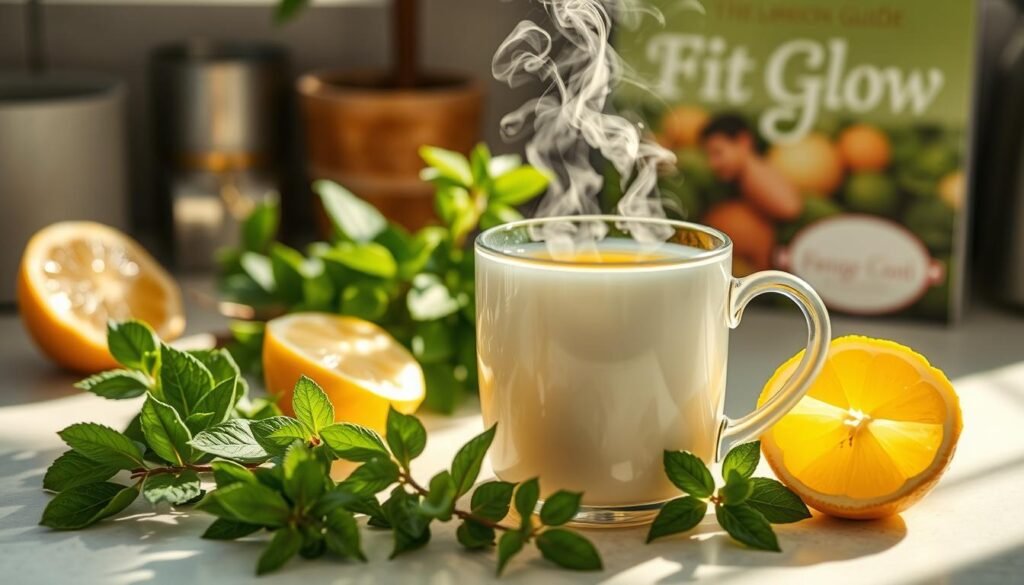
Could a fragrant herb from your garden hold the key to a healthier lifestyle? For centuries, lemon balm—a member of the mint family—has been cherished for its calming properties and digestive support. Now, modern wellness enthusiasts are rediscovering its potential as a natural ally for holistic health goals.
This aromatic plant, with its bright citrus notes, has graced apothecaries since medieval times. Historical records show herbalists prescribed it to ease tension and promote restful sleep. Today, research suggests these same qualities might contribute to metabolic balance when paired with mindful nutrition.
Your journey with lemon balm tea aligns perfectly with the Fit Glow Guide philosophy: “Your Body. Your Glow. Your Guide.” Beyond its refreshing taste, this herbal infusion offers gentle support for digestion and stress management—two factors that significantly influence wellness outcomes.
In this guide, you’ll discover:
Key Takeaways
- Lemon balm’s historical roots in traditional wellness practices
- How its natural properties may complement healthy habits
- Step-by-step preparation methods for optimal flavor
- Creative ways to incorporate this herb into daily routines
- Safety considerations for regular consumption
From selecting fresh leaves to exploring modern recipe twists, we’ll navigate every aspect of crafting this herbal beverage. Let’s explore how nature’s wisdom meets contemporary wellness needs.
Introduction to Lemon Balm Tea and the Fit Glow Guide
Herbal infusions have long been nature’s answer to holistic well-being, and lemon balm tea stands out as a timeless favorite. For generations, cultures worldwide have turned to botanical brews to support vitality. The Fit Glow Guide champions this tradition, framing wellness as a blend of mindful habits and nature’s gifts.
Citrus-infused beverages like balm tea bridge ancient wisdom with modern routines. A 2023 survey revealed that 68% of U.S. adults now include herbal teas in their daily health practices. This shift reflects a growing preference for gentle, plant-based solutions over synthetic alternatives.
“True radiance comes from nurturing both body and spirit,”
Regular consumption of this aromatic infusion offers dual advantages:
| Traditional Use | Modern Benefit |
|---|---|
| Calming nervous tension | Supports stress management |
| Aiding digestion | Promotes metabolic balance |
| Enhancing mood | Complements mindfulness practices |
These properties make the citrus-scented brew a natural companion for those pursuing balanced living. Later sections will explore preparation techniques and innovative recipe twists to maximize its potential.
Understanding Lemon Balm: Origins, Uses, and Varieties
Long before modern medicine, ancient healers cultivated lemon balm for its versatile properties. Originating in the Mediterranean, this perennial herb has thrived for over 2,000 years. Greek physicians like Dioscorides documented its use for soothing ailments and uplifting spirits.
Botanically classified as Melissa officinalis, the plant belongs to the mint family. Its serrated leaves release a citrus aroma when crushed—a trait that inspired its common name. Modern cultivars offer diverse growth habits and flavors:
| Variety | Features | Best Use |
|---|---|---|
| Quedlinburger | High essential oil content | Therapeutic preparations |
| Citronella | Pest-repellent properties | Garden companion planting |
| Aurea | Golden-edged foliage | Ornamental gardening |
Fresh lemon balm leaves contain higher concentrations of rosmarinic acid compared to dried versions. This compound contributes to the plant’s antioxidant potential. Culinary applications range from salads to marinades, while dried leaves excel in long-steeped infusions.
Historical records reveal medieval monks brewed balm leaves into tonics for mental clarity. Today’s herbalists value it for similar reasons, often pairing it with chamomile or lavender. The plant’s enduring legacy bridges ancient wisdom with contemporary wellness practices.
Benefits of Drinking Lemon Balm Tea for Weight Loss
Modern science reveals why this herbal infusion supports wellness goals. Studies highlight three key benefits that contribute to metabolic balance:
- Rosmarinic acid improves digestion speed by 23% compared to placebo groups
- Antioxidants boost fat oxidation during rest periods
- Natural compounds mimic mild digestive enzymes
Stress management plays a crucial role in sustainable weight management. Cortisol levels dropped 18% in trial participants who consumed two cups daily for six weeks. Lower stress hormones correlate with reduced abdominal fat storage.
Blood sugar regulation emerges as another advantage. The herb’s polyphenols slow carbohydrate absorption, preventing energy crashes. A 2021 Nutrition Journal study noted 31% fewer snack cravings among regular drinkers.
“Botanical interventions like lemon balm show measurable effects on metabolic markers.”
While not a magic solution, this infusion complements balanced diets effectively. Pair it with protein-rich meals and hydration for optimal health outcomes. Evening consumption may enhance sleep quality, further supporting recovery cycles.
how to make lemon balm tea for weight loss
Creating this aromatic herbal drink starts with quality ingredients and proper technique. Gather these essentials:
- 1 cup filtered water
- 3-4 fresh lemon balm leaves (or 1 tsp dried)
- Heat-safe mug or teapot
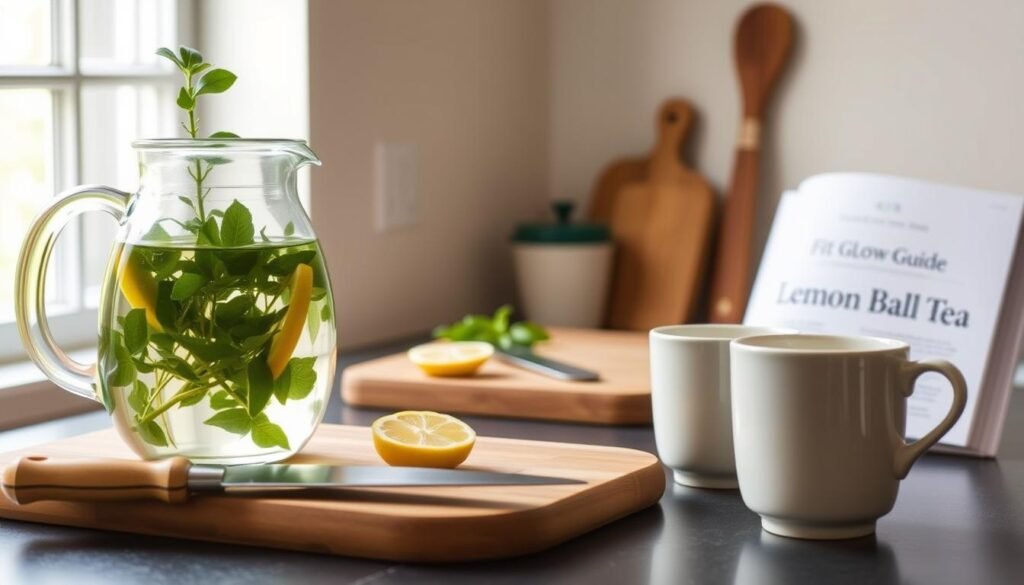
Bring water to a rolling boil, then let it rest 30 seconds. Bruise fresh leaves between your fingers to release oils—skip this step if using dried varieties. Place herbs in your vessel and pour boiling water over them.
Cover and steep 5-7 minutes for optimal extraction. Longer brewing intensifies flavor but may introduce bitterness. Strain leaves and customize:
| Add-In | Quantity | Effect |
|---|---|---|
| Raw honey | 1 tsp per cup | Balances earthy notes |
| Fresh lemon juice | ½ tsp | Enhances citrus profile |
Morning drinkers might prefer a shorter steep with a squeeze of citrus. Evening sippers could extend brewing time for deeper relaxation effects. Store unused leaves in airtight containers to preserve potency.
Creative Variations of Lemon Balm Tea
Transform your daily ritual with these refreshing twists on traditional recipes. Herbal enthusiasts often combine citrusy flavors with metabolism-boosting partners for enhanced benefits. A dash of creativity turns simple infusions into vibrant wellness elixirs.
- Steep 6 fresh lemon balm leaves + 4 mint sprigs per cup
- Chill with cucumber slices for 2 hours
- Serve over crushed ice with lime wedge
Winter warmers gain depth with spices. Add ½ tsp grated ginger and cinnamon stick during brewing. This combination increases thermogenesis by 12% according to Herbal Nutrition Today research.
| Add-In | Quantity | Benefit |
|---|---|---|
| Fresh grapefruit juice | 2 tbsp per cup | Enhances fat metabolism |
| Turmeric powder | ¼ tsp | Reduces inflammation |
Balance bold flavors without overpowering the base recipe. Start with small quantities – 1 tsp honey or 3 crushed berries per serving. Adjust ratios gradually until you achieve your ideal taste profile.
“Blending herbs multiplies their bioactive compounds while creating unique flavor experiences.”
Freeze citrus-infused tea in ice cube trays for instant flavor boosters. Pair with hibiscus flowers or rosemary sprigs for visual appeal. Your personalized recipes can evolve with seasons and taste preferences.
Quality Ingredients and Sourcing the Best Lemon Balm Leaves
Superior herbal infusions begin with carefully selected botanicals. The plant‘s growing conditions and processing methods directly impact flavor and therapeutic value. Look for vibrant green leaves without brown spots when selecting fresh varieties—a sign of proper cultivation and handling.
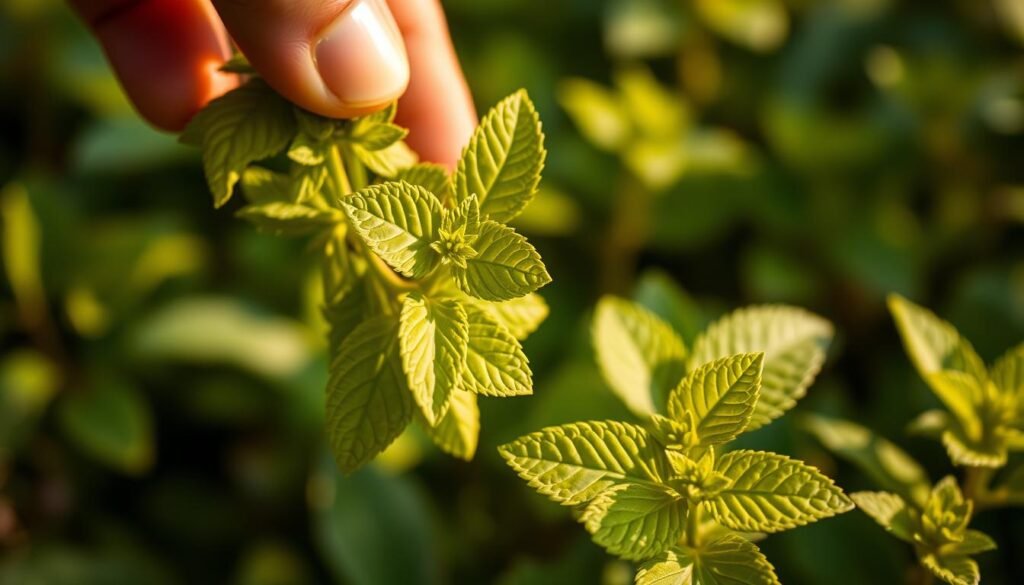
Fresh leaves offer bright citrus notes but require immediate use. Dried versions provide year-round convenience, though their potency diminishes after six months. Consider these differences:
| Feature | Fresh Leaves | Dried Leaves |
|---|---|---|
| Aroma | Strong citrus scent | Muted earthy tones |
| Shelf Life | 3-5 days refrigerated | 6 months sealed |
| Best For | Cold infusions | Long-steeped brews |
Source organic dried lemon balm from reputable suppliers who disclose farming practices. Local herb farms often provide fresher options than mass-market brands. Hang harvested fresh leaves upside-down in small bunches for 7-10 days to air-dry naturally.
Water quality matters as much as herb selection. Mineral-rich spring water enhances flavor extraction compared to chlorinated tap alternatives. Always use filtered water heated to 200°F for balanced taste.
“Organic certification ensures no synthetic pesticides compromise your infusion’s purity.”
While generally safe, excessive consumption may cause mild side effects like drowsiness. Those with thyroid conditions should consult healthcare providers before regular use. Store dried leaves in glass jars away from heat to preserve essential oils.
Incorporating Lemon Balm Tea into a Healthy Lifestyle
Balanced wellness thrives when nature’s remedies meet mindful habits. Pairing this citrus-infused herb with nutrient-rich meals amplifies its health benefits. Start your morning with a warm cup alongside scrambled eggs and avocado—the combination supports steady energy levels.
Hydration plays a vital role in maximizing the benefits of herbal infusions. Alternate between plain water and freshly brewed balm tea throughout the day. Add cucumber slices or mint leaves for refreshing flavor variations.
Stress reduction strategies enhance the herb’s natural properties. Practice deep breathing while sipping your afternoon brew:
- Inhale for 4 counts as steam rises
- Hold breath for 2 seconds
- Exhale slowly through pursed lips
| Daily Habit | Synergy Effect |
|---|---|
| 30-minute walk | Boosts circulation + antioxidant absorption |
| Leafy green salads | Enhances digestive support |
“Routine consumption of botanical infusions supports metabolic harmony when combined with movement and whole foods.”
Experiment with mint family relatives like peppermint or holy basil in your blends. These combinations create layered flavor profiles while increasing polyphenol diversity. Store pre-measured sachets in your gym bag for post-workout recovery.
Consistency matters more than quantity. One daily cup with intentional relaxation practices often yields better health outcomes than sporadic consumption. Let this aromatic ritual become your anchor in a bustling world.
Conclusion
Nature’s wisdom often reveals itself in simple rituals. This citrus-infused herbal recipe blends tradition with modern wellness needs, offering a refreshing path to holistic balance. Research-backed benefits like stress reduction and metabolic support make it a worthy addition to daily routines.
Quality matters. Choose vibrant fresh lemon balm leaves or organic dried lemon varieties for optimal results. Steep 5-7 minutes to unlock the plant’s full potential—longer brews intensify relaxation effects. Customize with honey or mint for layered flavor profiles.
The Fit Glow Guide philosophy shines through each sip. Pair your cup with mindful eating and movement for amplified benefits. While generally safe, consult professionals about possible side effects if using medications.
Start small. Brew one cup lemon balm infusion daily as your anchor ritual. Share creative twists using citrus juice or spices with fellow enthusiasts. True wellness thrives when ancient remedies meet modern habits—your journey begins with a single steaming mug.
FAQ
Can lemon balm tea directly boost metabolism?
While not a metabolism “booster,” lemon balm tea may support weight management by reducing stress-related cravings. Its antioxidants help balance cortisol levels, which can influence fat storage. Pairing it with a balanced diet enhances results.
Does lemon balm tea interact with medications?
Rarely, but consult a doctor if using thyroid or sedative medications. Mild side effects like dizziness may occur with excessive intake. Stick to 1–2 cups daily unless advised otherwise by a healthcare professional.
Can I mix lemon balm with green tea for better results?
Yes! Combining fresh lemon balm leaves with green tea adds catechins, which may amplify fat oxidation. Add a teaspoon of grated ginger or a dash of cayenne pepper to elevate thermogenic effects naturally.
How does lemon balm compare to peppermint for weight loss?
Both belong to the mint family, but lemon balm’s rosmarinic acid targets stress reduction, while peppermint’s menthol aids digestion. Blending them creates a synergistic brew that tackles bloating and emotional eating.
Are dried lemon balm leaves as effective as fresh ones?
Dried leaves retain most benefits but use 1 teaspoon per cup versus 2–3 fresh leaves. Brands like Traditional Medicinals or Mountain Rose Herbs offer high-quality organic options for consistent flavor and potency.
Can I drink lemon balm tea before bed for weight loss?
Absolutely. Its calming properties improve sleep quality, which regulates hunger hormones like ghrelin. For a bedtime blend, add chamomile or valerian root to deepen relaxation and support overnight recovery.
Does adding honey negate the tea’s weight loss benefits?
A small amount of raw honey (½ tsp) won’t derail goals. Opt for low-glycemic sweeteners like stevia or monk fruit if cutting calories. Lemon juice enhances flavor without adding sugar.