Anxiety disorders affect a significant portion of the U.S. population, with approximately 40 million adults impacted annually, according to recent research. This staggering statistic underscores the importance of finding effective ways to manage anxiety and promote mental wellness.
Engaging in relaxing activities can play a crucial role in this endeavor. By adopting indoor hobbies, women dealing with anxiety can create a safe space for relaxation and stress relief. This approach, combined with therapy, medication, and good self-care, can lead to true mental wellness.
Discovering the right hobby can provide a healthy escape from anxious thoughts, foster a sense of accomplishment, and improve overall mental health. As we explore the benefits of indoor hobbies, it’s clear that they offer a controlled environment where women can explore creative outlets and mindfulness practices, ultimately enhancing their quality of life.
Key Takeaways
- Engaging in indoor hobbies can provide relief and relaxation for women dealing with anxiety.
- Dedicating time to enjoyable activities can significantly reduce stress levels and improve mental health.
- Finding the right indoor hobby can create a healthy escape from anxious thoughts and provide a sense of accomplishment.
- Indoor activities offer a controlled environment for exploring creative outlets and mindfulness practices.
- Regular hobby engagement is connected to improved mood, reduced anxiety symptoms, and better quality of life.
Understanding the Connection Between Hobbies and Anxiety Relief
The link between hobbies and reduced anxiety is both profound and multifaceted. Engaging in hobbies can provide a much-needed respite from the stresses of daily life, offering a sense of accomplishment and calm.
How Hobbies Benefit Mental Health
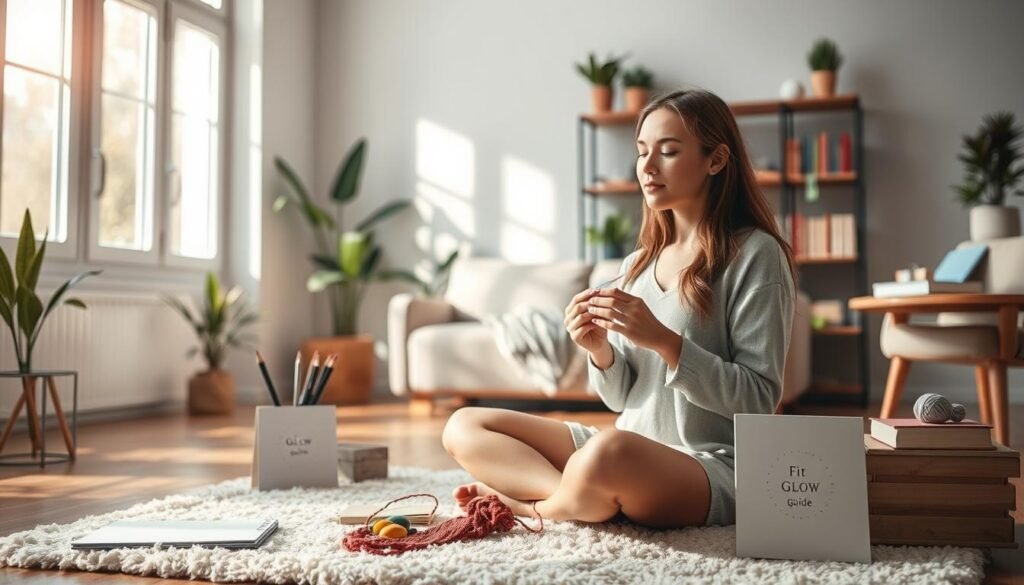
Hobbies can significantly benefit mental health by providing a healthy distraction from anxiety triggers. They offer a constructive outlet for emotions, helping to reduce stress and promote relaxation. By engaging in activities they enjoy, women can regain a sense of control over their lives.
- Engaging in creative activities like painting or drawing can be therapeutic.
- Mindfulness practices, such as meditation, can help calm the mind.
- Physical activities like yoga can reduce anxiety symptoms.
Why Indoor Activities Provide a Safe Space
Indoor activities offer a controlled environment that can be tailored to individual needs, creating a safe space for relaxation and creativity. Being in a familiar home environment can minimize additional anxiety caused by navigating public spaces. This setting allows women to manage their anxiety at their own time, without external pressures.
“The comfort of being in one’s own space can be incredibly therapeutic.”
By having a dedicated area for hobbies within the home, women can establish a clear boundary between hobby time and other aspects of their life, signaling to their brain that it’s time to relax and unwind.
Creative Expression: Artistic Hobbies for Anxiety Management
Creative expression through various art forms can significantly alleviate anxiety symptoms. Engaging in artistic hobbies not only provides an outlet for emotions but also fosters a sense of accomplishment and calm.
Painting and Drawing as Emotional Outlets
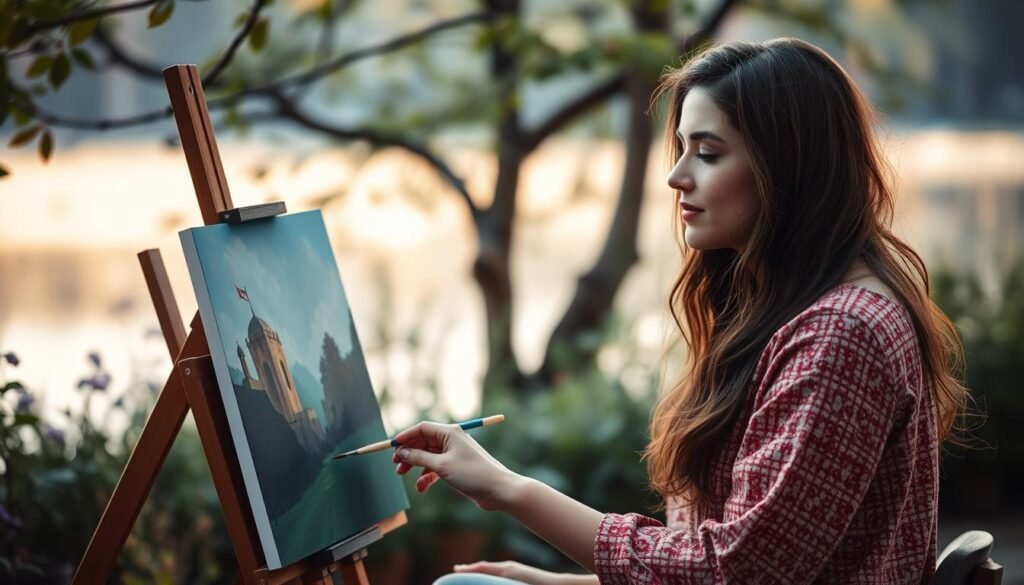
Painting and drawing are excellent ways to express emotions related to anxiety and stress. For beginners, starting with simple supplies like sketchbooks, pencils, and watercolor paints can be therapeutic. The act of creating art can distract from anxious thoughts and provide a calming effect.
Journaling and Creative Writing
Journaling and creative writing offer a unique way to process thoughts and emotions associated with anxiety. By putting pen to paper, individuals can reflect on their experiences and gain insight into their mental state. This hobby can be a powerful tool for managing anxiety.
Scrapbooking and Memory Preservation
Scrapbooking is another creative outlet that combines art and memory preservation. It allows individuals to focus on positive memories and experiences, providing a healthy distraction from anxious thoughts. The tactile nature of arranging photos and embellishments can be calming.
Pottery and Sculpture
Working with clay through pottery and sculpture can be extremely therapeutic. The tactile experience of molding and shaping materials can ground individuals in the present moment, reducing feelings of anxiety. Starting with air-dry clay at home is a convenient way to begin this hobby.
By engaging in these artistic hobbies, women can find healthy ways to manage anxiety and cultivate a greater sense of well-being. Each of these activities offers a unique combination of creative expression and therapeutic benefit.
Mindful Movement: Indoor Physical Activities
Engaging in mindful movement indoors can be a powerful way to alleviate anxiety. By focusing on the body and the present moment, individuals can reduce stress and improve their overall mood.
Yoga for Stress Reduction
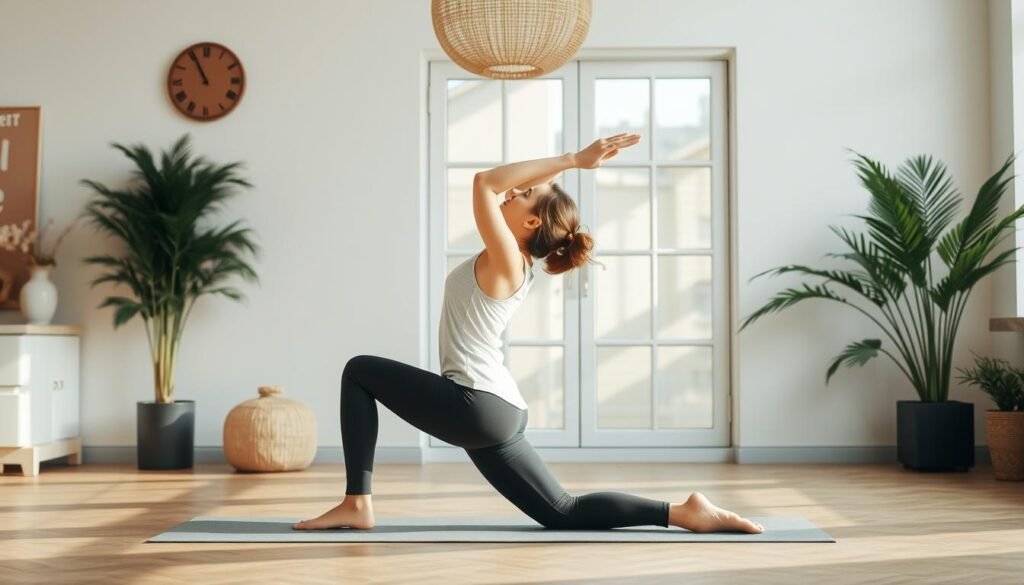
Yoga is a highly effective practice for reducing stress and anxiety. Beginner yoga for anxiety can be particularly beneficial, as it introduces gentle stretches and breathing techniques that calm the mind and body. Regular practice can lead to improved emotional regulation and a sense of well-being.
Pilates for Mind-Body Connection
Pilates is another form of mindful movement that strengthens the body and enhances the mind-body connection. By focusing on controlled movements and proper alignment, individuals can improve their physical fitness while reducing mental stress. This practice promotes body awareness and can be adapted to various fitness levels.
Indoor Dance as Emotional Release
Dance is a joyful and expressive way to release pent-up emotions and tension. Dancing indoors, whether through structured styles like ballet or free-form movement, provides an outlet for emotional expression and can be done to calming music that enhances mood. The freedom to move without judgment can be particularly liberating for those experiencing anxiety.
Indoor Hobbies for Women with Anxiety: Mindfulness Practices
Mindfulness practices offer a powerful tool for women to manage anxiety in the comfort of their own homes. By engaging in activities that calm the mind and promote relaxation, women can better navigate anxious thoughts and feelings. This section will explore three mindfulness practices that can be particularly beneficial.
Meditation and Breathing Exercises
Meditation and breathing exercises are foundational mindfulness practices that can help calm the mind and reduce anxiety. Regular meditation practice has been shown to decrease the production of stress hormones like cortisol, leading to a sense of calm and well-being. Simple breathing exercises can also be effective, helping to slow down the heart rate and promote relaxation.
Aromatherapy and Essential Oil Blending
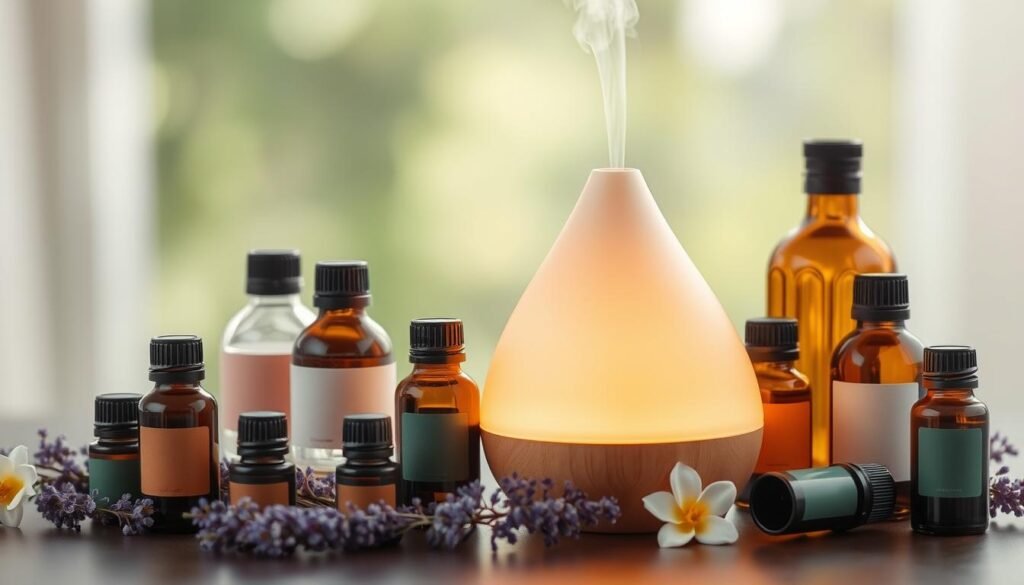
Aromatherapy involves the use of essential oils derived from plants to promote relaxation and reduce anxiety. Certain scents, such as lavender and chamomile, have been found to have a calming effect on the mind and body. Essential oil blending allows individuals to create personalized scents tailored to their specific needs.
Mindful Coloring and Art Therapy
Mindful coloring and art therapy provide a creative outlet for women to express and manage anxiety. The repetitive, structured nature of coloring can induce a meditative state, quieting anxious thoughts. Different types of coloring books, such as those featuring mandalas or nature scenes, can be used to promote relaxation.
Culinary Pursuits: Kitchen-Based Relaxation
For many women, finding solace in kitchen activities has become a valuable tool in their anxiety management toolkit. Engaging in culinary pursuits can be a therapeutic hobby that not only provides a creative outlet but also results in a sense of accomplishment.
Therapeutic Baking and Cooking
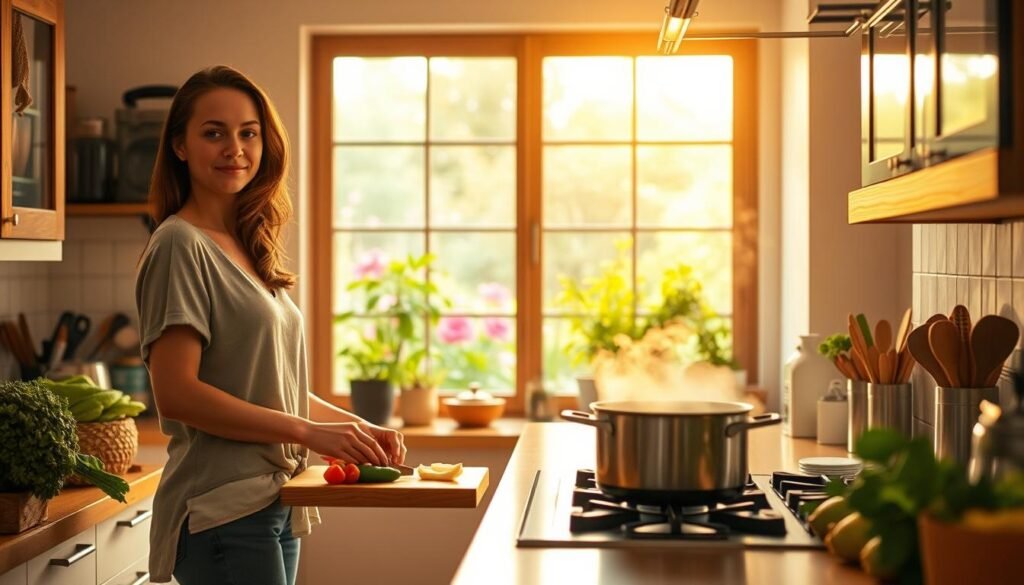
Therapeutic baking and cooking involve more than just following a recipe; they require attention to detail, creativity, and a mindful approach to the process. This mindfulness can help distract from anxious thoughts, allowing individuals to focus on the present moment. The act of measuring ingredients, mixing, and watching a dish come together can be meditative, providing a sense of calm and reducing stress.
Moreover, the joy of creating something nourishing can boost one’s mood and overall sense of well-being, contributing to better health.
Tea Blending and Appreciation
Tea blending and appreciation offer another avenue for relaxation in the kitchen. The process of selecting and blending teas can be a calming, sensory experience. Certain herbal teas, such as chamomile and lemon balm, are known for their calming properties and can be used to create personalized blends tailored to individual needs and preferences.
The ritual of preparing and savoring tea can become a mindful practice, encouraging a moment of peace and tranquility in a busy day. By focusing on the aroma, taste, and warmth of the tea, individuals can ground themselves in the present time, potentially interrupting cycles of anxiety.
Skill-Building Hobbies That Calm the Mind
Engaging in skill-building hobbies can be a powerful way to calm the mind and reduce anxiety. By focusing on activities that challenge and engage the brain, individuals can find relief from anxious thoughts and develop a sense of accomplishment.
Learning a New Language
Acquiring a new language is a rewarding hobby that not only challenges the brain but also opens up new cultural perspectives. It requires dedication and consistent practice, which can be therapeutic. Language learning apps and online courses make it accessible to start this journey. As one develops their language skills, they experience a sense of achievement that can boost confidence and counteract feelings of anxiety.
Reading and Book Clubs
Reading is a timeless hobby that offers an escape into different worlds and ideas. Joining a book club adds a social dimension, providing a sense of community without the pressure of face-to-face interaction if done online. Discussing books can enhance understanding and offer new insights, making it a mentally stimulating activity that can temporarily suspend anxious thoughts.
Coding and Digital Creation
Coding is an engaging and rewarding activity that requires concentration and problem-solving skills, making it an excellent hobby. With numerous online resources, such as tutorials and courses, it’s feasible to start learning coding, whether interested in building a website or developing an app. The logical, problem-solving nature of coding provides a welcome contrast to the often irrational thought patterns of anxiety. Moreover, the immersive flow state achieved during coding can temporarily suspend anxious thoughts, providing mental relief.
| Hobby | Benefits for Anxiety Relief | Accessibility |
|---|---|---|
| Learning a New Language | Boosts confidence, provides a sense of achievement | Language learning apps and online courses |
| Reading and Book Clubs | Offers escape, enhances understanding, provides community | Local libraries, online book clubs |
| Coding and Digital Creation | Provides mental relief, fosters problem-solving skills | Online tutorials, coding courses |
These skill-building hobbies not only calm the mind but also equip individuals with new skills and a sense of accomplishment, directly countering the effects of anxiety.
Bringing Nature Indoors: Green Hobbies for Anxiety Relief
Indoor spaces that reflect the natural world can offer a soothing respite from anxiety. Being surrounded by nature, even indoors, can have a calming effect on the mind and body.
Indoor Gardening and Plant Care
Indoor gardening is a therapeutic hobby that allows individuals to connect with nature. Caring for low-maintenance indoor plants like snake plants or ZZ plants can be particularly beneficial for those with anxiety, as it requires minimal upkeep while still providing the benefits of being around plants.
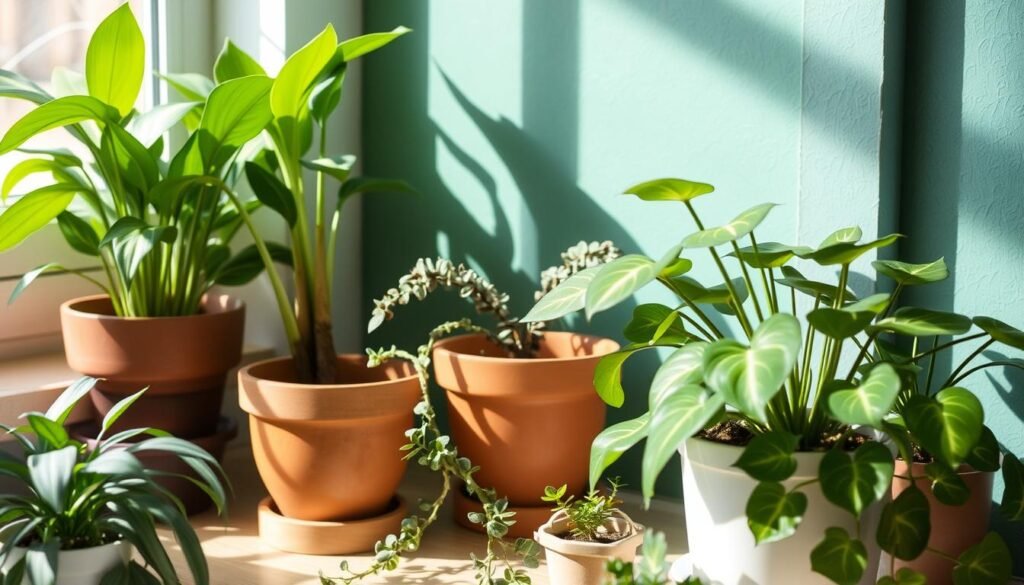
These plants not only purify the air but also add a touch of natural beauty to indoor spaces, creating a calming environment that can help reduce anxiety.
Creating Indoor Nature Spaces
Creating dedicated nature spaces within the home can provide numerous psychological benefits, even for those who struggle to leave their homes due to anxiety. Incorporating elements like water features, natural materials, and nature sounds can enhance the calming ambiance of these spaces.
These indoor nature retreats can serve as designated anxiety management zones, offering a physical location to retreat to when symptoms intensify. By incorporating biophilic design principles, individuals can create an environment that supports anxiety reduction throughout their home.
Digital and Virtual Hobbies for Quiet Enjoyment
Embracing digital and virtual hobbies can be a calming and fulfilling experience for women with anxiety. In today’s digital landscape, there are numerous ways to engage in relaxing activities from the comfort of home.
Podcasts and Audiobooks
Listening to podcasts and audiobooks can be a soothing way to unwind and escape from daily stress. With a wide range of topics available, women can choose content that resonates with them, from guided meditations to engaging stories. This hobby allows the brain to focus on the narrative or discussion, providing a mental break and promoting relaxation.
- Explore various genres and topics to find what brings the most comfort.
- Create a calming environment by listening in a quiet, comfortable space.
Virtual Reality Relaxation
Virtual reality (VR) relaxation is an emerging field that offers immersive experiences designed to reduce anxiety. By creating a simulated environment, VR can transport individuals to calming settings, such as beaches or forests, which can be particularly beneficial for those with limited mobility or severe anxiety about leaving home.
The multisensory nature of VR can create powerful state changes, potentially interrupting anxiety spirals more effectively than traditional relaxation techniques. Accessible VR options, including smartphone-based systems and 360-degree videos, make it possible for more people to explore this innovative way to manage stress.
Conclusion: Creating Your Personal Anxiety-Relief Hobby Routine
As we explored various indoor hobbies, it’s clear that the right activity can be a powerful tool against anxiety. The most effective hobbies are those that resonate personally and bring genuine enjoyment.
To create a balanced hobby routine, consider combining different types of activities. This could include creative pursuits like painting or journaling, physical activities such as yoga, and mindfulness practices like meditation. By incorporating a variety of hobbies into your routine, you can address various aspects of mental health and improve overall health.
It’s essential to view hobbies as a form of care, rather than another obligation. By doing so, you can approach them with self-compassion and flexibility, helping to help reduce anxiety and potentially alleviate anxiety depression. By making time for enjoyable activities, you can improve your overall quality of life and develop a healthier way to manage anxiety.