Can a sweet, crunchy vegetable actually help shed pounds? Many assume starchy foods like corn sabotage fitness goals, but research reveals surprising truths. Packed with fiber and nutrients, this golden grain might be a secret weapon for managing weight while satisfying cravings.
Studies highlight its low calorie count and high dietary fiber content, which supports digestion and prolongs fullness. A single cup contains just 130 calories, making it a smart swap for processed snacks. Registered dietitians often recommend it as part of balanced meals to curb overeating.
Preparation matters. Grilled, steamed, or air-popped versions maximize health benefits without added fats or sugars. Pair it with lean proteins or leafy greens for meals that align with the Fit Glow Guide philosophy: Your Body. Your Glow. Your Guide.
This article breaks down the science, explores cooking methods, and reveals how this versatile veggie fits into sustainable weight loss plans. Let’s separate myths from facts.
Key Takeaways
- High fiber content aids digestion and promotes fullness.
- Low calorie density supports calorie-controlled diets.
- Nutrient-rich profile includes vitamins B and C.
- Opt for fresh or air-popped varieties to avoid added fats.
- Combines well with proteins for balanced meals.
Understanding Corn’s Nutritional Profile
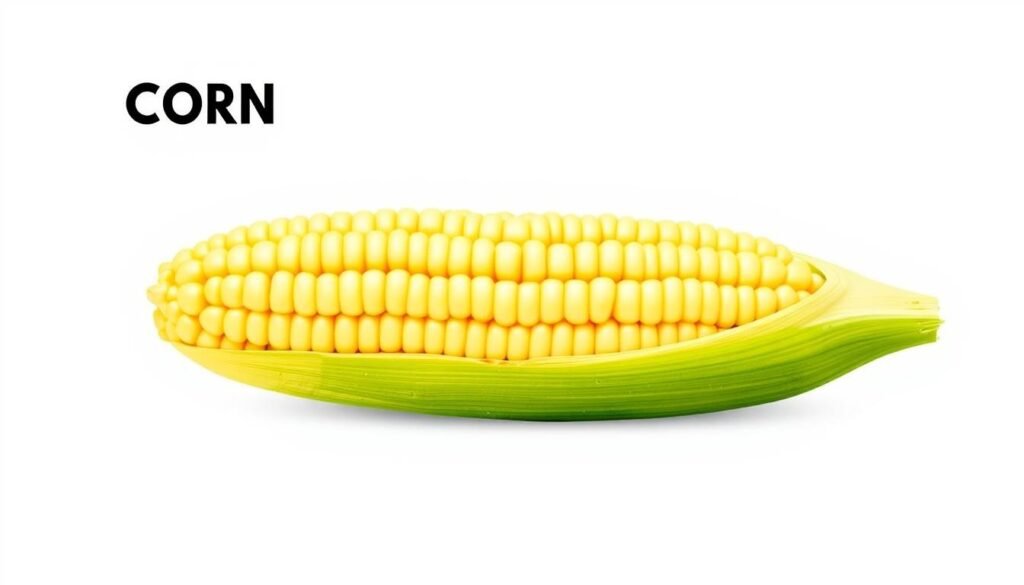
Exploring the nutritional makeup of this golden grain reveals why it stands out in balanced eating plans. A medium ear contains just 77 calories while delivering 2 grams of fiber – enough to keep hunger at bay for hours. Its natural sweetness comes packed with essential nutrients, aligning perfectly with the Fit Glow Guide principle: Your Body. Your Glow. Your Guide.
Fiber, Vitamins, and Caloric Content
Each serving provides 17% of your daily vitamin B1 needs, supporting energy production. Folate (19% per ear) aids cell repair, while vitamin C boosts immunity. The combination of low calories and high-volume nutrition makes it ideal for calorie-conscious meals.
Antioxidants and Other Key Nutrients
Lutein and zeaxanthin – antioxidants found in this vegetable – protect eye health by filtering harmful blue light. Magnesium and potassium further enhance its profile, regulating blood pressure and muscle function.
| Nutrient | Fresh (1 ear) | Processed (1 cup canned) |
|---|---|---|
| Calories | 77 | 165 |
| Fiber | 2g | 3g* |
| Added Sodium | 0mg | 336mg |
*Most canned versions lose 40% of natural vitamins during processing. Choosing whole food sources maximizes benefits without unnecessary additives. Pairing it with lean proteins creates meals that support sustainable diet goals through mindful nourishment.
How Eating Corn Can Support Weight Loss
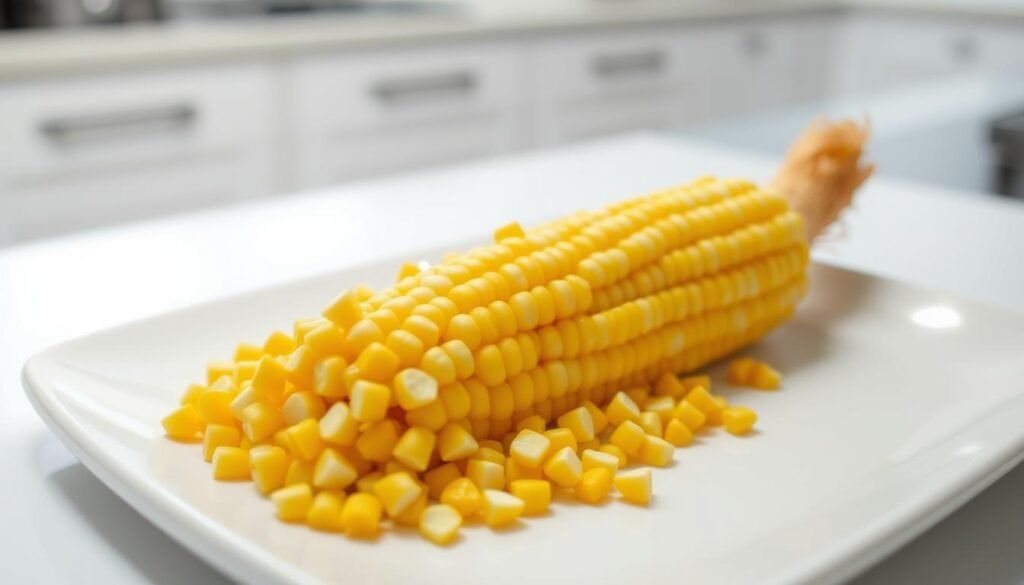
When managing hunger pangs, few foods deliver crunch and satisfaction like fresh golden kernels. A medium ear contains just 77 calories yet offers 2 grams of filling fiber – a combo that stabilizes energy levels and reduces snacking urges.
The Role of Fiber in Satiety and Digestion
Fiber slows digestion, keeping you fuller longer. Research shows meals with high-fiber ingredients like this vegetable curb appetite by 12% compared to low-fiber alternatives. Pairing it with lean protein – think grilled chicken or black beans – amplifies this effect.
Low-Calorie Benefits and Portion Control
One cup of kernels fits seamlessly into calorie-conscious plans. Avoid drowning them in butter or oil – steaming preserves their natural sugar content without added fats. Registered dietitians recommend measuring servings to prevent overeating, as even healthy foods can derail progress in large amounts.
Stick to one ear or a measured cup per meal. The Fit Glow Guide emphasizes mindful choices: “Nourish with intention, not restriction.” Air-popped kernels seasoned with herbs offer a crunchy, low-calorie snack alternative to chips.
Is Corn Good for Weight Loss? Analyzing the Evidence
Research offers compelling insights into how this versatile crop fits into healthy eating patterns. Studies highlight its dual role as both energy source and appetite regulator, making it a strategic addition to balanced diets.
Research-Backed Health Benefits
Multiple studies confirm that whole kernels play a part in sustainable weight management. Their high fiber content slows digestion, preventing sudden blood sugar spikes. A 2022 Nutrition Journal study found participants who ate fiber-rich meals experienced 18% less hunger between meals.
The grain also delivers resistant starch – a type of carb that feeds gut bacteria linked to improved metabolism. This nutrient synergy supports efforts to lose weight while maintaining energy levels.
Understanding Potential Drawbacks
Despite benefits, moderation matters. One ear corn contains 19g of carbs – a concern for those monitoring glucose levels. Processed versions like canned creamed styles often include added butter or sodium, undermining their natural advantages.
Dietitians emphasize:
- Pair kernels with proteins or healthy fats to balance carb intake
- Choose air-popped over microwave varieties to avoid hidden oils
- Limit servings to 1-2 daily if managing insulin resistance
As a grain, vegetable, and sometimes fruit, its flexibility shines in diverse recipes. Roasted kernels add crunch to salads, while polenta (made from ground maize) serves as a gluten-free addition to entrees. Always prioritize fresh or frozen options to maximize what corn contains naturally – minus the additives.
Choosing the Right Type of Corn for Your Diet
Navigating the grocery aisle for optimal nutrition starts with smart choices. Not all varieties offer the same health benefits – processing methods and farming practices dramatically impact what lands on your plate.
Fresh, Frozen, and Non-GMO Options
Fresh ears deliver peak flavor and retain 90% of their natural lutein and zeaxanthin – antioxidants crucial for eye health. Frozen whole kernels preserve 85% of these nutrients when flash-frozen at harvest. Both options outshine canned versions, which lose 40% of vitamins during high-heat processing.
Non-GMO verified selections eliminate concerns about synthetic additives linked to potential weight gain. A 2023 USDA study found conventional crops often contain glyphosate residues, while organic and Non-GMO Project-certified options maintain cleaner profiles.
| Type | Nutrient Retention | Added Sodium |
|---|---|---|
| Fresh | 95% | 0mg |
| Frozen | 85% | 5mg |
| Canned | 60% | 336mg |
Sweet corn stands out for its natural sugars, requiring no butter or salt. Check labels for “Non-GMO Project Verified” seals or USDA Organic certifications. Avoid products listing “modified food starch” or “corn syrup solids” – these additives undermine health benefits.
The Fit Glow Guide advises: “Let whole foods fuel your journey. Complexity belongs in life, not your pantry.” Steam fresh kernels with chili powder or toss frozen varieties into stir-fries for meals that align with both taste and health benefits.
Tips for Preparing Corn for Weight Loss
Mastering kitchen techniques unlocks this vegetable’s full potential in calorie-conscious meal plans. Simple preparation methods preserve its natural crunch while maximizing fiber content – a critical factor for digestive health and sustained fullness.
Healthy Cooking Methods: Grilling, Boiling, and Steaming
Grilling enhances sweetness without added fats. Brush ears lightly with olive oil and char for 8 minutes. Boiling retains 90% of nutrients when cooked briefly in unsalted water. Steamed kernels maintain their texture, perfect for salads or grain bowls.
Research shows these methods keep calorie counts under 100 per serving. A corn cob prepared this way delivers 3g of fiber – 12% of daily needs. Pair with lime juice or smoked paprika for bold flavor.
Minimizing Additives and Processed Toppings
Skip butter-loaded recipes and sugary glazes. Many commercial seasonings contain corn syrup, which adds empty calories. Instead, try nutritional yeast or garlic powder for savory depth.
Pre-packaged products often hide corn syrup in ingredient lists. Always check labels. Fresh or frozen kernels minimize the risk of consumed excess sodium or preservatives. For snacks, air-popped varieties avoid oil entirely.
“Flavor doesn’t require compromise—just creativity,” as stated in the Fit Glow Guide. Try these ideas:
- Mix steamed kernels with black beans and avocado
- Top grilled corn cob with chili flakes and cilantro
- Blend frozen kernels into low-sodium vegetable soups
By avoiding processed toppings and prioritizing whole-food preparations, you harness this ingredient’s natural benefits without consumed excess calories. Smart choices today fuel tomorrow’s progress.
Integrating Corn into a Balanced Weight Loss Plan
Transforming everyday meals into nutrient-packed experiences starts with smart ingredient swaps. This golden vegetable’s versatility shines in recipes ranging from zesty salads to hearty soups, offering both flavor and nutrition.
Creative Meal Ideas and Recipes
Try these simple yet satisfying ways to enjoy this fiber-rich food:
- Summer salad: Mix grilled kernels with cherry tomatoes, avocado, and lime dressing
- Protein bowls: Layer air-popped popcorn with roasted chickpeas and shredded chicken
- Spicy soup: Blend frozen kernels into a low-sodium broth with black beans and cumin
Pair these dishes with leafy greens or quinoa to stabilize blood sugar levels. For snacks, season plain popcorn with nutritional yeast instead of butter.
Guidance from a Registered Dietitian
“Focus on pairing this vegetable with lean proteins and healthy fats,” advises Sarah Wilkins, RD. “Its natural source of complex carbs provides sustained energy without spiking glucose.”
Regular physical activity remains crucial for body composition changes. Wilkins recommends:
- Tracking portion sizes to maintain calorie goals
- Scheduling meals every 3-4 hours to prevent overeating
- Consulting professionals to tailor plans to individual needs
These strategies align with the Fit Glow Guide approach: building meals that nourish while supporting long-term wellness goals.
Additional Health Benefits of Corn
Could improving vision and digestion start with your side dish? This golden vegetable offers more than waistline-friendly perks – its nutrients actively defend against chronic conditions while fueling overall wellness.
Beyond the Scale: Holistic Advantages
Lutein and zeaxanthin – antioxidants concentrated in yellow kernels – filter harmful blue light. Studies link regular consumption to 26% lower risks of age-related macular degeneration. These compounds also combat cataracts by protecting lens proteins from oxidative damage.
Fiber does double duty here. It feeds beneficial gut bacteria, producing short-chain fatty acids that reduce inflammation. A healthy microbiome correlates with better diabetes management, as improved insulin sensitivity helps regulate blood sugar spikes.
| Corn Type | Lutein (mcg) | Zeaxanthin (mcg) |
|---|---|---|
| Fresh | 644 | 483 |
| Frozen | 578 | 434 |
| Canned | 387 | 290 |
With 73% water content, this vegetable aids hydration – crucial for kidney function and joint health. Its carotenoids also strengthen immune responses by neutralizing free radicals linked to chronic diseases.
The Fit Glow Guide champions this multifaceted approach: “True wellness thrives when nourishment touches every system.” From grilled salads to savory soups, each bite delivers layered benefits that extend far beyond calorie counts.
Conclusion
Balancing nutrition and satisfaction often starts with smart food choices. Packed with fiber and essential nutrients, this vegetable supports fullness while delivering antioxidants like lutein – key for eye health and fighting chronic diseases. Studies confirm its role in managing energy levels and reducing overeating urges.
Portion control remains vital. Overconsumption may spike blood sugar levels or contribute to unwanted fat storage. Pairing measured servings with proteins creates balanced meals that help people achieve sustainable results while avoiding excess fat.
The Fit Glow Guide emphasizes: “Nourish with purpose, not perfection.” Including this ingredient in varied dishes – from salads to soups – aligns with holistic wellness when combined with professional guidance. Research-backed benefits outweigh drawbacks when mindful preparation replaces processed versions.
Ultimately, yes – when enjoyed in moderation alongside diverse, nutrient-rich foods, this golden grain proves a valuable ally. Its natural compounds, including lutein, protect against diseases while supporting people managing body composition. Let balance guide your plate, and let nourishment fuel your journey.
FAQ
Can corn help reduce hunger cravings during a diet?
Yes. The fiber in whole-grain varieties like popcorn or fresh kernels promotes satiety, which may curb overeating. Pairing it with protein or healthy fats enhances this effect.
Does sweet corn spike blood sugar levels?
While it contains natural sugars, sweet corn has a moderate glycemic index. Portion control and avoiding high-calorie toppings like butter help maintain stable glucose levels.
Is popcorn a smart snack choice for weight management?
Air-popped popcorn is low in calories and rich in fiber, making it a filling option. Skip added salt, butter, or caramel to keep it diet-friendly.
How does corn support eye health during weight loss?
Corn contains lutein and zeaxanthin—antioxidants linked to reduced risks of macular degeneration. These nutrients remain intact even when cooked.
Are canned or creamed corn products recommended?
Fresh or frozen options are better. Canned versions often have added sodium, while creamed corn includes extra fats and sugars that hinder progress.
Can people with diabetes safely include corn in meals?
In moderation, yes. Opt for whole-kernel types and balance portions with non-starchy vegetables, lean proteins, and healthy fats to manage carb intake.
Does corn contribute to gut health during a calorie deficit?
Its insoluble fiber aids digestion and feeds beneficial gut bacteria. This supports nutrient absorption and may reduce bloating when consumed mindfully.
What cooking methods preserve corn’s weight loss benefits?
Grilling, boiling, or steaming without heavy oils retains nutrients. Season with herbs, lime juice, or chili powder instead of calorie-dense sauces.