Imagine waking up to a routine that not only energizes your mornings but also supports your wellness journey. Across social media and health forums, a unique approach blending caffeine’s natural properties with targeted ingredients is gaining traction. Could this be the missing piece in your routine?
This strategy isn’t about chugging endless cups of black java. Instead, it focuses on synergistic combinations—think spices like cinnamon or metabolism-boosting supplements—paired with high-quality beans. Research suggests caffeine’s ability to enhance fat oxidation, while antioxidants in the beverage may support cellular health.
But here’s the catch: success hinges on balance. Quick fixes rarely deliver lasting results. At Fit Glow Guide, we emphasize pairing these methods with mindful nutrition and movement. Think of it as a tool, not a magic potion.
Ready to explore how timing, quality, and ingredient pairings could elevate your efforts? Let’s dive into the science-backed details.
Key Takeaways
- Caffeine’s thermogenic effects may aid fat burning when combined with active habits.
- Antioxidants in quality beans support overall wellness beyond weight management.
- Specific add-ins like cayenne or MCT oil can enhance metabolic responses.
- Timing consumption around workouts might maximize energy utilization.
- Sustainable results require pairing this approach with balanced nutrition.
Introduction to the Coffee Method for Weight Loss
The latest buzz in fitness circles isn’t a new gym routine—it’s your morning brew with a metabolic twist. Wellness enthusiasts are blending their daily cup with strategic ingredients to create a ritual that supports appetite control and energy balance. This trend taps into caffeine’s natural ability to temporarily curb hunger signals while amplifying calorie burn during activity.
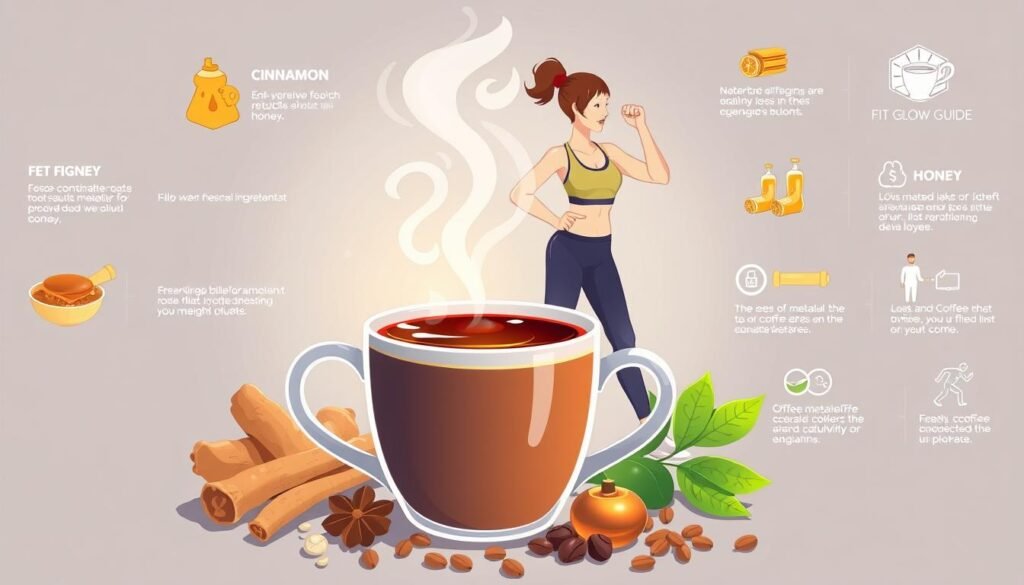
At Fit Glow Guide, we champion “Your Body. Your Glow. Your Guide.”—a philosophy emphasizing personalized, sustainable strategies. While adding specific spices or supplements to your morning drink might boost short-term results, lasting health benefits come from pairing these hacks with mindful nutrition and movement.
Timing matters. Consuming your enhanced beverage 30 minutes before workouts could help optimize fat utilization. Many find it helps reduce afternoon snack cravings, supporting better calorie intake management throughout the day. However, experts caution against relying solely on this approach for significant loss outcomes.
Upcoming sections will explore:
- Science behind caffeine’s impact on metabolic rate
- Popular ingredient combinations
- Practical timing strategies
Remember—true transformation happens when trending methods align with science-backed lifestyle adjustments. Let’s discover how to make this work for your unique journey.
What is the coffee method for weight loss
Brewing a cup could be more than a morning ritual—research suggests it might kickstart your body’s natural fat-burning mechanisms. This approach combines caffeine consumption with strategic ingredient pairings to enhance metabolic activity. Unlike crash diets, it focuses on leveraging existing habits through science-backed adjustments.
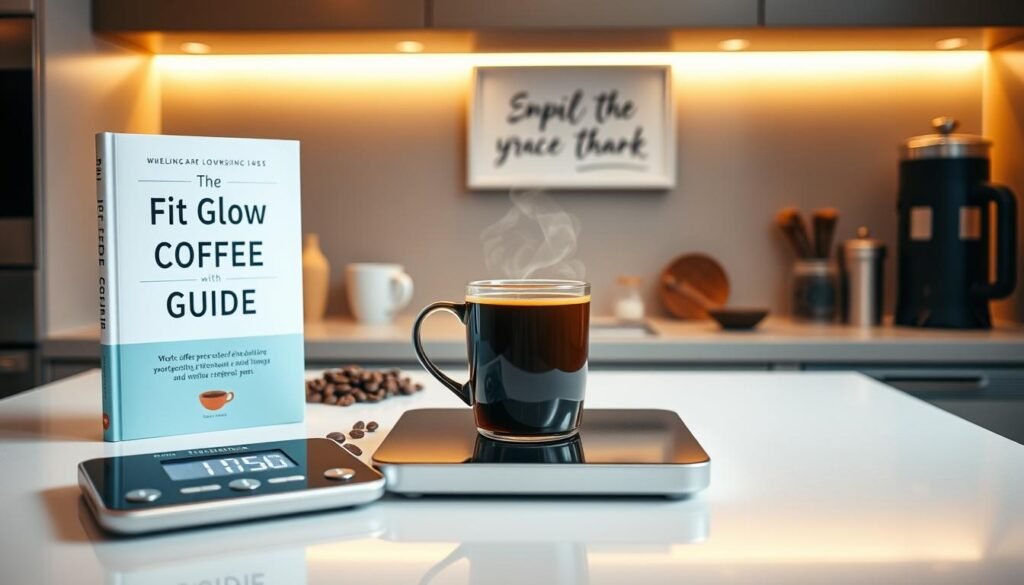
Black coffee serves as the foundation, avoiding added sugars that counteract dietary goals. Studies indicate caffeine may temporarily boost metabolic rates by 3-11%, while acting as a mild appetite suppressant. A 2022 meta-analysis found participants consuming 4mg/kg of caffeine burned 13% more calories during exercise compared to placebo groups.
| Traditional Habit | Enhanced Approach | Key Benefit |
|---|---|---|
| Morning coffee with cream | Black brew + cinnamon | Antioxidant boost |
| Afternoon espresso shot | Green tea blend | Sustained energy |
| Basic instant coffee | MCT oil infusion | Appetite control |
Popular variations include timing intake before workouts or adding supplements like L-theanine. The “7-second loophole” technique—holding each sip briefly—claims to amplify flavor perception and satisfaction. However, nutritionists stress these methods work best alongside balanced meals and regular activity.
While promising, results vary between individuals. Those incorporating this strategy into their diet often pair it with protein-rich breakfasts and hydration practices. “It’s about enhancing existing healthy patterns, not replacing them,” notes dietitian Lauren Harris.
The Science Behind Coffee and Metabolism
Your morning brew’s warmth might hide biochemical secrets that influence energy use. Two components drive its metabolic impact: caffeine’s stimulant properties and antioxidant compounds. Let’s break down how these elements interact with human physiology.

Caffeine’s Role in Boosting Metabolic Rate
Studies reveal caffeine temporarily elevates resting metabolic rates by 3-11%. This occurs through adenosine receptor blockage, increasing adrenaline production. A 2022 Journal of Nutrition study showed participants burned 13% more calories during exercise after caffeine intake.
However, this effect diminishes with habitual consumption. Nutritionists note the boost equals roughly 50-100 extra calories burned daily—helpful but not transformative alone. “It’s like adding a spark to a fire,” explains biochemist Dr. Elena Torres. “Sustainable fat loss requires consistent fuel management.”
Antioxidants and Fat Oxidation
Chlorogenic acids in coffee beans enhance fat breakdown during digestion. Research from Harvard indicates these compounds may reduce glucose absorption, supporting blood sugar balance. A 2021 trial found participants consuming antioxidant-rich blends lost 2.5% more body fat over 12 weeks.
Yet antioxidants work best as part of broader dietary patterns. Pairing coffee with high-fiber meals amplifies their benefits. While research confirms metabolic advantages, experts emphasize they’re incremental—not replacements for nutritional discipline.
Understanding these mechanisms helps separate hype from science. Small daily boosts, when combined with mindful habits, can create meaningful change over time.
Different Variations of the Coffee Loophole Technique
Innovative twists on your daily brew are reshaping how people approach their wellness routines. Two primary strategies dominate this space: timed consumption rituals and ingredient-enhanced blends. Both aim to amplify caffeine’s natural properties while addressing individual preferences.
The 7-Second Coffee Loophole Explained
This quick-action approach involves sipping black coffee within seven seconds when hunger strikes. Advocates claim rapid consumption triggers a faster metabolic response, temporarily curbing cravings. The theory suggests caffeine’s impact on adenosine receptors may boost energy levels and heart rate, mimicking mild exercise effects.
Spiced and Supplemented Brews
Many opt for flavor-packed additions that double as metabolic boosters. A dash of cayenne pepper increases thermogenesis, while cinnamon helps regulate blood sugar. Lemon juice adds acidity believed to enhance fat breakdown. These combinations aim to support weight loss by optimizing digestion and nutrient absorption.
| Variation | Key Ingredient | Mechanism |
|---|---|---|
| 7-Second Ritual | Plain brew | Rapid satiety signaling |
| Enhanced Blend | Cinnamon/MCT oil | Thermogenic activation |
While these methods show promise, moderation remains crucial. Overconsumption may lead to jitters or disrupted sleep patterns—common side effects linked to excess caffeine. Nutrition coach Marco Reyes advises: “Pair these hacks with protein-rich snacks and hydration for balanced energy throughout the day.”
Remember: no single technique replaces consistent healthy habits. These variations work best when layered with mindful eating and regular movement.
Practical Tips for Incorporating Coffee into a Weight Loss Diet
Your daily brew can become a strategic ally when used thoughtfully. Nutrition experts suggest limiting intake to 3-4 cups (8 oz each) daily to avoid potential increases in blood pressure. Morning consumption aligns with natural cortisol peaks, while pre-workout timing maximizes energy utilization during exercise.
Timing, Portion Control, and Healthy Add-ins
Studies show consuming caffeine 30 minutes before activity enhances fat oxidation rates. Measure servings carefully—a standard mug often holds 12-16 oz, which may lead to unintentional overconsumption. Stick to single servings per sitting.
Swap sugary creamers for these alternatives:
| Avoid | Choose Instead | Calorie Savings |
|---|---|---|
| Flavored syrup | Cinnamon sprinkle | 80 per tbsp |
| Whipped cream | Almond milk foam | 110 per serving |
Black drinking habits prevent empty calorie intake. Use nutrition apps to track additives—a splash of whole milk adds 9 calories, while a pumpkin spice latte packs 300+. Pair your cup with protein-rich snacks like hard-boiled eggs to balance caffeine’s effects.
Remember: these tweaks work best alongside regular movement and vegetable-focused meals. As registered dietitian Mia Chen advises, “View your mug as one instrument in your wellness orchestra—not the entire symphony.”
Potential Benefits and Side Effects of Using Coffee for Weight Loss
Your morning cup might offer more than just a wake-up call—but at what cost? Caffeine’s dual nature can both support and challenge wellness goals. While some experience sharper focus during workouts, others report midday energy crashes.
Regular consumption may temporarily reduce hunger signals, helping manage snack cravings between meals. A 2023 study found participants consuming black brew before exercise burned 17% more fat. However, excessive intake often leads to jitteriness or elevated pressure readings—especially in sensitive individuals.
Recognizing and Managing Side Effects
Listen to your body’s cues. If you notice rapid heartbeat or disrupted sleep, scale back servings. The type of roast matters: dark blends typically have less caffeine than lighter options. Try switching to half-caff or pairing each cup with water to stay balanced.
Timing plays a role too. Late-afternoon consumption might interfere with restful nights, undermining next-day results. Nutritionists suggest limiting intake to before 2 PM for most people. Track how your appetite responds—some find caffeine suppresses hunger initially but triggers stronger cravings later.
Moderation remains key. The National Institutes of Health recommends ≤400mg daily (about 4 small cups). As researcher Dr. Amanda Lin notes: “Smart consumption enhances existing habits—it doesn’t replace them.” Pair your brew with protein-rich snacks and mindful movement for sustainable outcomes.
Integrating Coffee with Lifestyle Changes for Sustainable Weight Loss
Transforming your daily routine requires more than a single habit—it demands harmony between nutrition, movement, and mindful choices. Pairing your morning brew with strategic lifestyle adjustments creates lasting results. A 2023 study found participants who combined caffeine intake with regular exercise maintained 23% more weight loss over six months compared to those relying solely on dietary changes.
Time your consumption wisely. Enjoying a cup 30 minutes before workouts helps mobilize stored energy. Follow each serving with a glass of water to stay hydrated and prevent overconsumption. This simple pairing supports both metabolic activity and cellular function.
Swap calorie-dense additives for healthier alternatives:
| Common Additive | Smart Swap | Benefit |
|---|---|---|
| Heavy cream | Unsweetened almond milk | Saves 70 calories per cup |
| Flavored syrup | Dash of vanilla extract | Zero added sugar |
The current trend of using black coffee during intermittent fasting windows shows promise for some. However, nutritionists caution against exceeding two cups during fasting periods to avoid digestive discomfort. “Think of your brew as part of your toolkit—not the entire workshop,” advises fitness coach Derek Mills.
Consistency matters most. Pair your ritual with balanced meals rich in fiber and protein. Remember—true transformation happens when small, daily choices align with your long-term vision.
Conclusion
Rethinking your daily ritual could unlock subtle metabolic advantages when paired with intentional habits. Popular approaches like the 7-second sip technique or cinnamon-infused brews highlight caffeine’s role in appetite management and temporary calorie burn. Studies confirm modest boosts in fat oxidation—typically 3-11%—when consumption aligns with active lifestyles.
Success demands smart choices. Opt for unsweetened versions to avoid sugar spikes, and limit servings to prevent jitters or sleep disruptions. Pair your mug with protein-rich snacks and hydration to balance energy levels throughout the day.
Remember: no single habit guarantees transformation. Lasting results emerge when mindful sipping complements balanced meals, regular movement, and stress management. While the brew offers supportive benefits, it’s one thread in a larger wellness tapestry.
Adopt evidence-based practices that fit your unique needs. Track how timing and ingredients affect your body, adjusting as needed. True progress thrives on consistency—not shortcuts. Ready to blend science with daily routines? Explore more ways to harmonize health goals with life’s rhythms.
FAQ
How does coffee support weight loss?
Caffeine in coffee boosts metabolic rate, increasing calorie burn. Antioxidants like chlorogenic acid aid fat oxidation. Studies suggest moderate consumption may suppress appetite and enhance energy during exercise. Avoid sugary additives to maximize benefits.
What’s the best time to drink coffee for fat loss?
Morning intake aligns with natural cortisol peaks, optimizing metabolism. Drinking before workouts improves endurance, helping burn more calories. Avoid late-day consumption to prevent sleep disruption, which affects hunger hormones.
Can adding milk or sugar negate coffee’s benefits?
Yes. Creamers and sweeteners add calories, counteracting fat-burning effects. Opt for black coffee or use low-calorie alternatives like almond milk. Spices like cinnamon or cayenne enhance flavor without spiking blood sugar levels.
Does caffeine affect heart health during weight loss?
High doses may temporarily raise blood pressure or heart rate in sensitive individuals. Limit intake to 3–4 cups daily. Those with hypertension should consult a doctor before using coffee as part of their diet plan.
How does coffee interact with meals for better results?
Drinking it 30 minutes before meals may reduce hunger and portion sizes. Pairing with protein-rich snacks balances energy levels. Stay hydrated with water to avoid dehydration, which can mimic hunger cues.
Are there alternatives for people sensitive to caffeine?
Green tea or matcha offers lower caffeine content with similar metabolism-boosting antioxidants. Decaf coffee retains some polyphenols but lacks the stimulant effect. Herbal options like yerba mate also support fat oxidation.